
Recycled Plastic in Food Packaging: What FSSAI's 2026 Draft Proposes
Nuho India Team
Nuho Creative Team
Key Takeaways & TL;DR
- The draft amendments to the Food Safety and Standards (Packaging) Regulations, 2018 were notified on 2 November 2026 and open a pathway for chemically recycled PE and PP in food-contact materials.
- Recycled polymer is limited to the outermost layer of multi-layer packaging, and only when it comes exclusively from food-grade packaging material.
- Stakeholders have 60 days from the date the Gazette notification is made available to send objections and suggestions.
- None of this is law yet, and none of it changes what a label or sticker on the outside of a pack has to say.
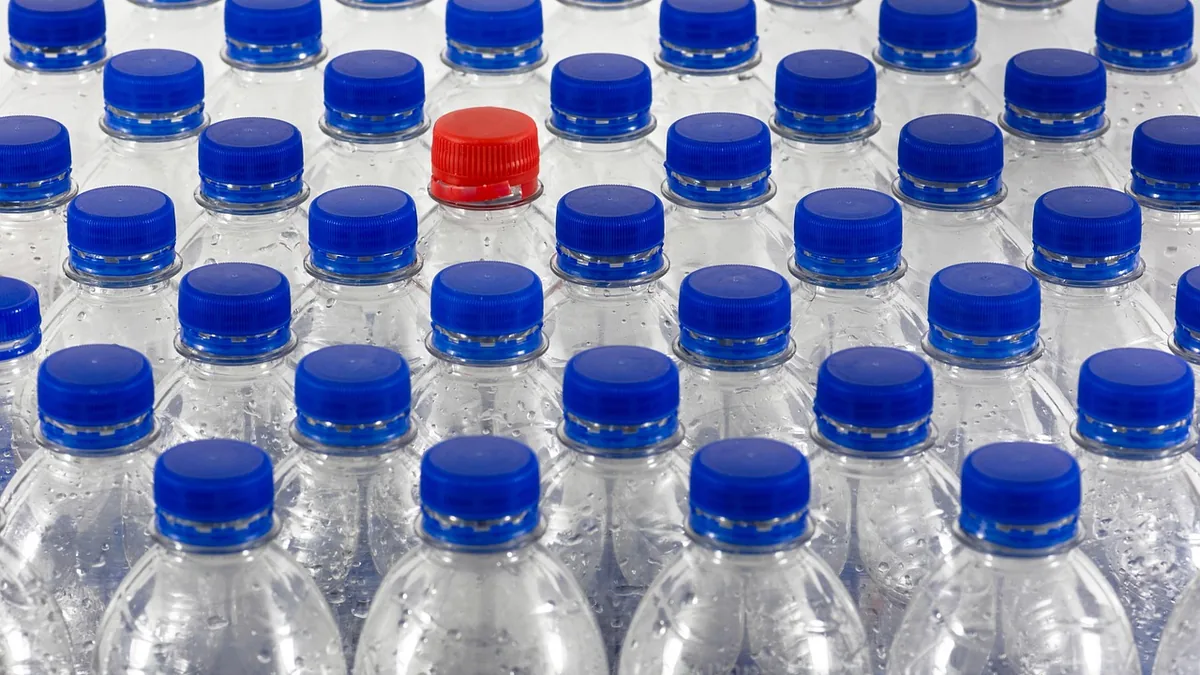
bottles, plastic, recycling, environmental pollution, garbage, trashbin
Recycled Plastic in Food Packaging: What FSSAI's 2026 Draft Proposes
Yes, but only under narrow conditions. FSSAI has proposed allowing chemically recycled polyethylene and polypropylene in food-contact materials, and allowing recycled polymer made only from food-grade packaging material in the outermost layer of a multi-layer pack, with a 60-day window for objections and suggestions [1][3]. Until that consultation closes and a final regulation is notified, the rule on your packing line has not changed.
Key Takeaways
- The draft amendments to the Food Safety and Standards (Packaging) Regulations, 2018 were notified on 2 November 2026 and open a pathway for chemically recycled PE and PP in food-contact materials.
- Recycled polymer is limited to the outermost layer of multi-layer packaging, and only when it comes exclusively from food-grade packaging material.
- Stakeholders have 60 days from the date the Gazette notification is made available to send objections and suggestions.
- None of this is law yet, and none of it changes what a label or sticker on the outside of a pack has to say.
What FSSAI Has Proposed
The Food Safety and Standards Authority of India has proposed amendments to the Food Safety and Standards (Packaging) Regulations, 2018 that would allow recycled polyethylene and polypropylene to be used in packaging that touches food [1]. The draft amendments to the Food Safety and Standards (Packaging) Regulations, 2018 were notified on 2 November 2026, and FSSAI has invited objections and suggestions from stakeholders and the public within 60 days of the Gazette notification being made available [3]. The proposed provisions would be inserted into Regulation 4 of the 2018 packaging regulations, and the draft has been issued under Section 92 of the Food Safety and Standards Act, 2006 [1][3].
Two things this draft is not. It is not a blanket permission for recycled plastic: it covers polyethylene and polypropylene made through one defined recycling route, plus a second narrow case for the outer layer of a multi-layer pack. And it is not final: the regulator will consider the draft only after the 60-day period expires [4].
The Two Provisions in Plain Language
Here is what the draft would change, and what each condition actually requires.
| What the draft would allow | Where it may be used | Condition attached | Position before this draft |
|---|---|---|---|
| Chemically recycled PE and PP from the monomer route | Food-contact materials | Output must be considered equivalent to virgin material and meet the criteria applicable to virgin material | No pathway existed for PE and PP |
| Recycled polymer derived exclusively from food-grade packaging material | Outermost layer of multi-layer packaging intended for food contact | Inner layers must have adequate barrier properties, and the pack must fulfil the prescribed migration limits | Only recycled PET was permitted, from March 2025 |
| Recycled plastic or newspaper for food | Any food packaging | Not permitted under the draft | Barred for packing food items from 1 July 2019 |
The inner layers must possess adequate barrier properties to prevent migration of substances from the outermost layer into the food, and the finished packaging must also remain within existing migration limits [4]. Migration is simply the transfer of chemicals or other substances from the packaging into the food it contains, so the draft is really about keeping that transfer inside limits that already apply to new plastic [1].
How India Got From a 2018 Ban to a 2026 Draft
The shift did not happen overnight, and the history explains why the current draft is so specific.
| Date | What changed |
|---|---|
| 1 July 2019 | Use of recycled plastic or newspaper to package, store, carry or dispense food was barred |
| 17 September 2021 | The environment ministry amended the Plastic Waste Management Rules, reversing the country's ban on recycled plastic in food-contact materials |
| 18 January 2022 | FSSAI issued a Direction authorising recycled plastics in food-contact materials, followed by a draft notification covering recycled PET |
| 28 March 2025 | An amendment formally allowed recycled PET in packaging, storing, carrying or dispensing food, with guidelines that include a mandatory logo |
| 2 November 2026 | Draft amendments notified, extending the pathway beyond PET to PE and PP |
The 2018 regulations banned the use of recycled plastic or newspaper for packaging food items from 1 July 2019 onwards, and the 2 November draft appears to be the first proposal to extend the permission to PE and PP [1]. Approvals so far have been for PET only, which is why brands that wrap snacks, pour milk or mould yoghurt tubs have had no certified recycled option to buy [2].
What This Means for Indian Food Businesses
The push to expand recycled plastic usage stems from the environment ministry's mandatory extended producer responsibility (EPR) targets and revisions to the plastic waste management rules, which allowed recycled content in ready-to-eat food packs, subject to FSSAI protocols [2]. Polyethylene is commonly used in squeeze bottles, milk pouches and containers, and polypropylene is widely used in yoghurt tubs, bottle caps and snack wrappers [2]. India generates over 4.1 million tonnes of plastic waste annually, according to Central Pollution Control Board (CPCB) data, and about 60% of this is recycled [2].
For a small brand, the practical effect lands on the pack you buy from a converter rather than on your recipe. If your pouches, jars or tubs move to a recycled-content supply, ask your supplier three questions in writing: which layer carries the recycled material, whether the output is certified equivalent to virgin material, and whether the inner layers still meet the prescribed migration limits. Keep those documents with your food safety records, because the compliance burden sits with the pack, not with the sticker on it.
Does This Change Labels and Stickers on Your Packs?
Packaging contains, protects, preserves, transports, informs, and sells, and package labelling is any written, electronic, or graphic communication on the package or on a separate but associated label [5]. Many countries or regions have regulations governing the content of package labels [5].
That separation matters right now. The draft's conditions apply to food-contact materials, which are the layers that actually touch the food, so a die-cut sticker applied to the outside of a sealed pack is not one of the layers the draft governs. What your label says, how it is laid out and how it survives Indian weather are the questions that stay on your desk while your converter handles the resin.
For the artwork side, the existing guides cover the detail: How to Prepare Small Business Label Artwork for Printing walks through the prepress checklist, Custom Shape Label Stickers for Products and Packaging covers sticker labels on packs, Custom Labels for Small Businesses in India compares formats, and Waterproof Stickers in India: What Survives Rain, Fuel and Sunlight covers what holds up through the monsoon.
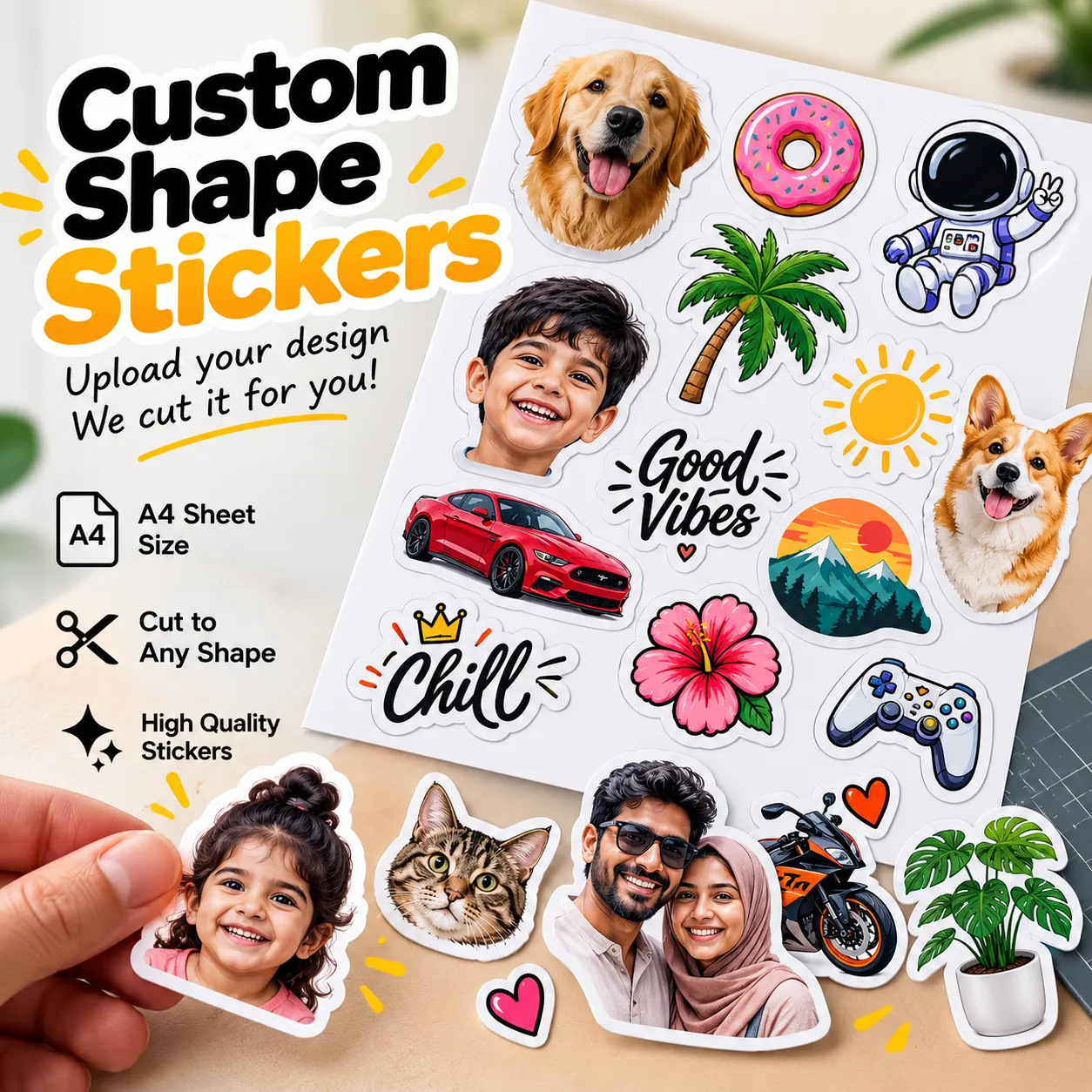
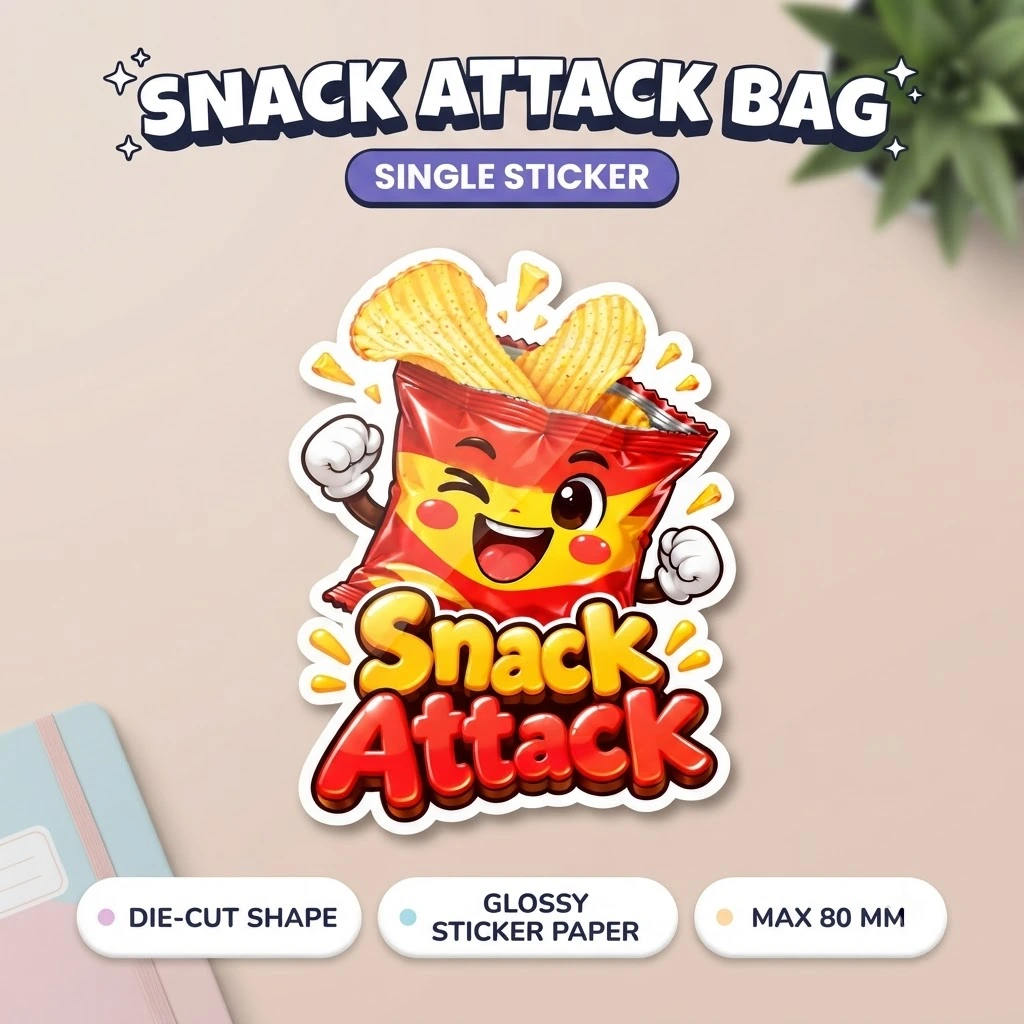
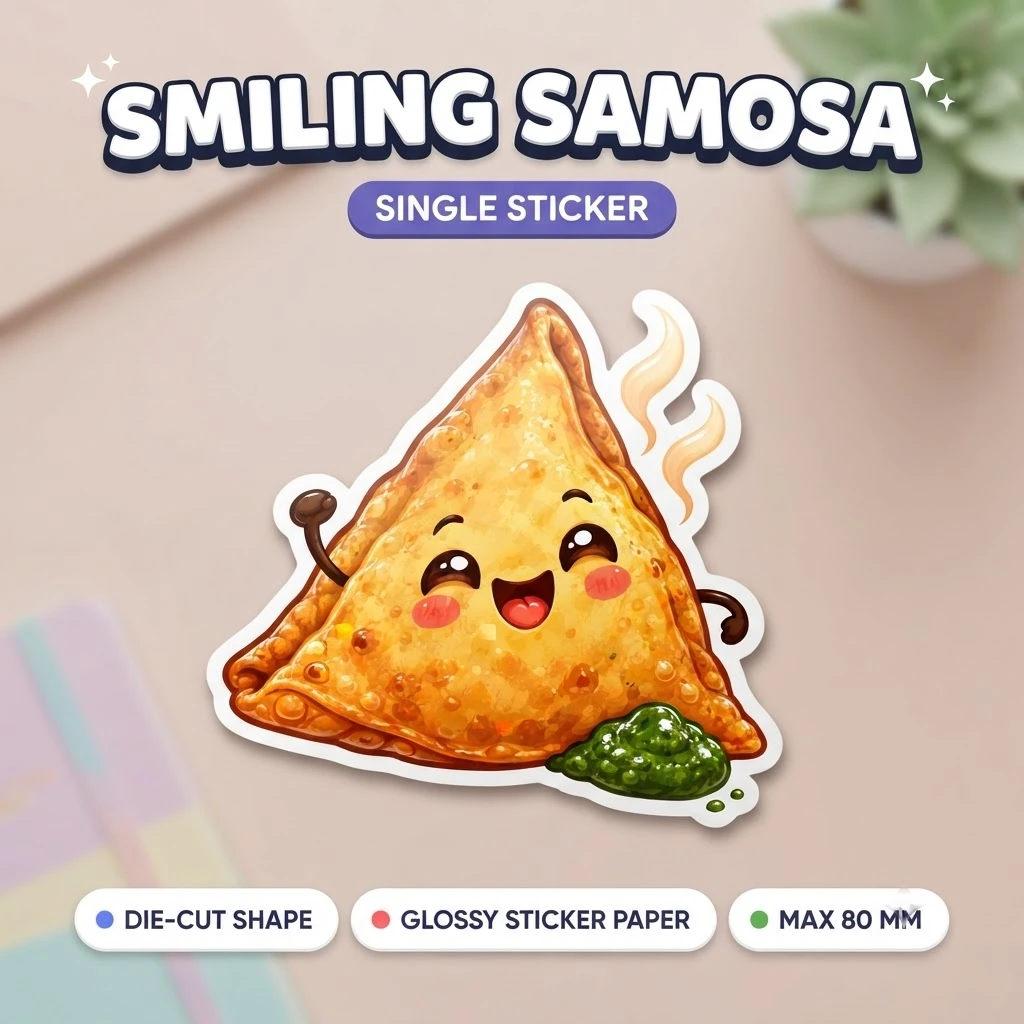
On the product side, Custom Shape Stickers – Upload Your Design is listed at ₹79 for custom die-cut artwork, while food-themed glossy die-cut designs such as Snack Attack Bag Sticker and Smiling Samosa Sticker are ₹15 each at a maximum size of 80 mm. Nuho India is a digital manufacturing and 3D printing studio based in Coimbatore, Tamil Nadu, that ships pan-India through Delhivery and Bluedart, with standard orders manufactured in 24 to 48 hours and 2 to 4 business days in transit.
What to Do Before the 60-Day Window Closes
- Ask your pack supplier which layer of your pouch, jar or tub would carry recycled content, and whether that output meets the criteria applicable to virgin material.
- Request the migration-limit test report for any pack that moves to recycled material, and file it with your food safety records.
- If you want to comment on the draft, send objections and suggestions inside the 60-day period that opened with the Gazette notification [4].
- Re-check your label artwork and pack copy in the same pass, so a material change and a copy change do not reach the printer on separate deadlines.
Frequently Asked Questions
Can I use recycled plastic in food packaging in India today? Not for polyethylene or polypropylene. The draft notified on 2 November 2026 is a proposal that will be considered only after the 60-day period expires, while recycled PET has been permitted since the amendment dated 28 March 2025 [1].
What does the monomer route mean in the draft? Chemical recycling uses heat, catalysts, or solvents to break plastic's chains back into their original building blocks, or monomers, which are then joined together again to make plastic of virgin quality, and the draft allows PE and PP made this way only when the output is considered equivalent to virgin material [1].
Does the draft change what my label or sticker has to say? No. Its conditions apply to the materials that touch food and to the outermost layer of multi-layer packaging, while label wording and artwork are governed separately [5].
How long do stakeholders have to respond? FSSAI has invited objections and suggestions from stakeholders and the public within 60 days of the Gazette notification being made available, and the draft regulations shall be taken into consideration after that period expires [3][4].
Conclusion and Next Step
The draft is a consultation, not a rulebook: it proposes a narrow, condition-heavy pathway for recycled PE and PP instead of an open door for recycled plastic. The one step worth taking this week is to email your pack supplier and ask which layer of your current pack would carry recycled material, then keep the answer on file. When the pack specification changes, rebuild the artwork in the same pass using the label artwork checklist linked above.
Sources
- Recycled plastic likely to find its way into food packaging. FSSAI proposes new draft safety rules — ThePrint
- India plans to allow recycled plastic for food packaging — Mint
- FSSAI proposes allowing chemically recycled plastic in food packaging, sets safety conditions — The South First
- FSSAI seeks feedback on recycled plastic use in food packaging — Packaging Gateway
- Packaging — Wikipedia
Featured Custom Products
Frequently Asked Questions
More Articles You Might Like
How to Prepare Small Business Label Artwork for Printing (Checklist)
Short answer: Small business label artwork is print-ready when it has bleed past the trim line, a safe area that keeps type clear of the cut, CMYK colour at 300 dpi with the fonts...

Brand Storytelling for Startups: How a Founder's Story Becomes a Moat
Short answer: Brand storytelling is turning why you started into a story other people can repeat back to you. It holds as a moat because competitors can copy your technology,...

On-Device AI for Indian Small Businesses: Why Work Leaves the Cloud
Indian small businesses are moving routine AI work from cloud tools to on-device AI because it keeps customer data on their own machines, cuts recurring bandwidth and cloud costs,...