
Why Everyday Accessories Build Brands, Not One-Time Campaigns
Nuho India Team
Nuho Creative Team
Key Takeaways & TL;DR
- A campaign buys attention once; an accessory earns the same attention every day for as long as it is carried or used.
- Habits form through regular repetition in a consistent context, and the average time to reach automaticity in one study was 66 days [1].
- Familiarity grows with repeated exposure, and a meta-analysis of 208 experiments found a reliable mere-exposure effect of r = 0.26 [2].
- Indian D2C brands are now separated by repeat purchases, customer retention and brand loyalty rather than by reach alone [4].
- Nuho manufactures in Coimbatore and ships pan-India through Delhivery and Bluedart, with standard orders taking 24 to 48 hours to make.
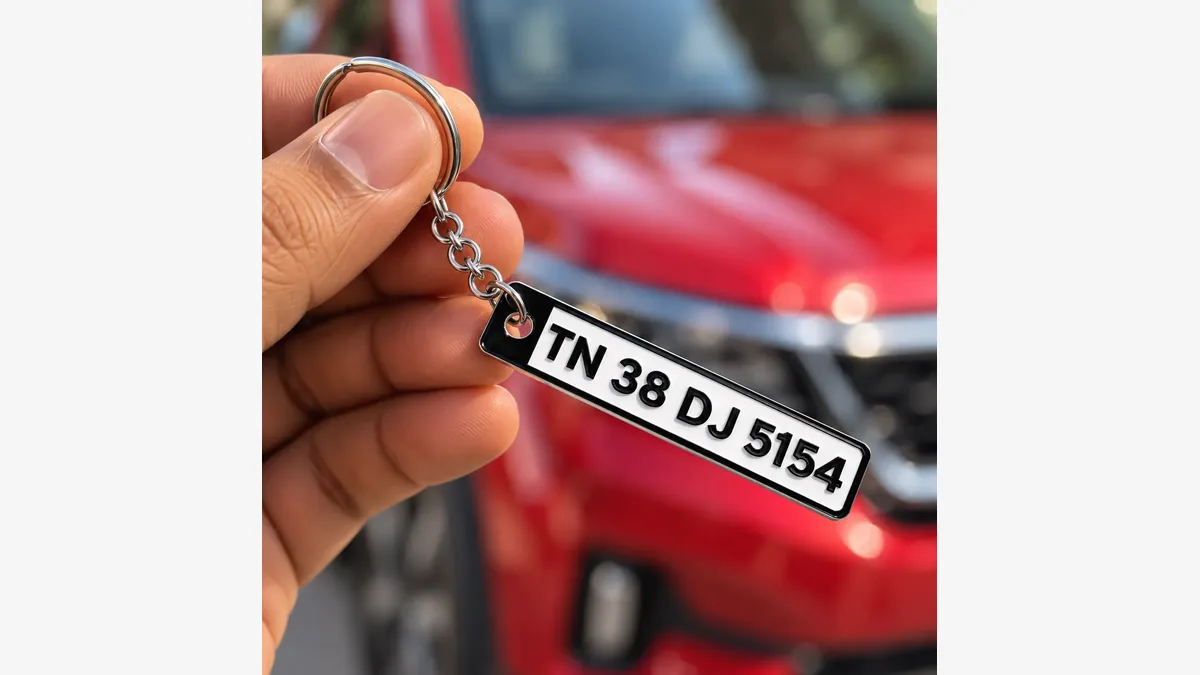
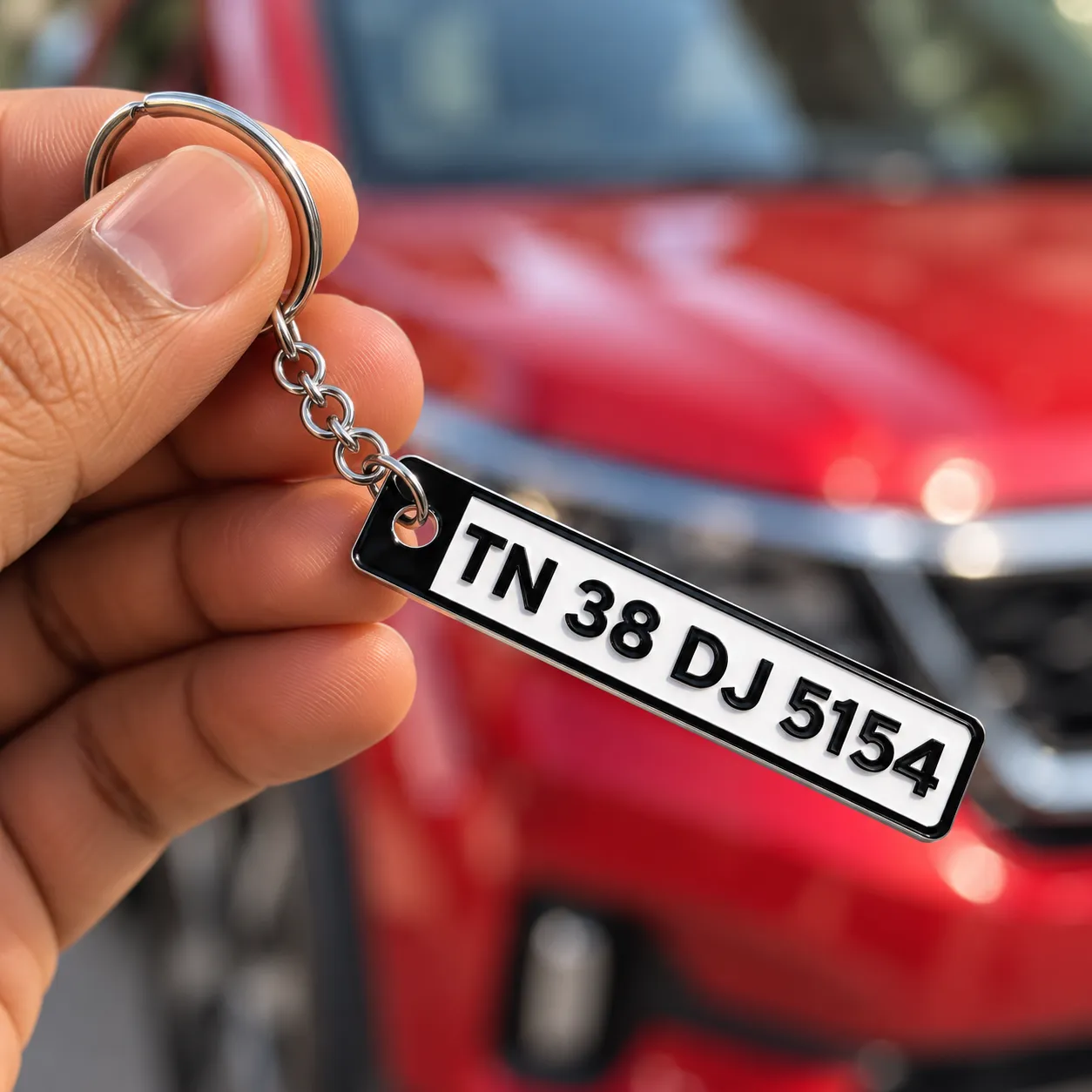
Custom 3D Printed Car Numberplate Keychain – Personalized Mini License Plate
Why Everyday Accessories Build Brands, Not One-Time Campaigns
Everyday accessories build brands better than one-time marketing campaigns because they live inside routines the customer already performs: the key on the ignition, the sticker on the laptop lid, the tag on the gym bag. A campaign ends when the budget ends; an accessory keeps the brand in the same hands, every day, for as long as it lasts.
Key takeaways
- A campaign buys attention once; an accessory earns the same attention every day for as long as it is carried or used.
- Habits form through regular repetition in a consistent context, and the average time to reach automaticity in one study was 66 days [1].
- Familiarity grows with repeated exposure, and a meta-analysis of 208 experiments found a reliable mere-exposure effect of r = 0.26 [2].
- Indian D2C brands are now separated by repeat purchases, customer retention and brand loyalty rather than by reach alone [4].
- Nuho manufactures in Coimbatore and ships pan-India through Delhivery and Bluedart, with standard orders taking 24 to 48 hours to make.
What a one-time campaign actually buys
A one-time campaign buys a burst: impressions, clicks, a spike in first-time trials. What it does not buy is a second encounter. When the budget stops, the brand stops appearing, and nothing about the customer's ordinary day changes.
That is not an argument against campaigns. It is an argument against treating a campaign as the whole plan. Acquisition and retention are two different jobs, and the evidence favours the one that runs quietly after the launch week.
Retention of existing customers is less costly than obtaining new ones, and existing customers cost much less to serve [3].
The object is what carries that second job. Not a message, not a discount, not a notification: something the customer already handles, like a key ring, a bottle, a laptop lid, a shop counter or a delivery box.
Why repetition beats reach
Habits form through repetition in a consistent context
Habit formation is the process by which a behavior, through regular repetition, becomes automatic, and the average time for participants to reach automaticity was 66 days [1]. A 2002 daily experience study by habit researcher Wendy Wood and her colleagues found that approximately 43% of daily behaviors are performed out of habit [1].
The habit attaches to the object rather than to the advertisement. The customer does not re-watch your campaign every morning, but they do pick up the same key ring every morning, and whatever is printed or moulded onto that object inherits that repetition.
The habit literature also lists four main components of habit formation: the context cue, craving, behavioral repetition, and the reward [1]. An accessory is a context cue by definition, because it sits exactly where the routine starts.
Familiarity grows with exposure, not with spend
Repeated exposure increases perceptual fluency, the ease with which a stimulus can be processed, and perceptual fluency in turn increases positive affect [2]. A meta-analysis of 208 experiments found that the mere-exposure effect is robust and reliable, with an effect size of r = 0.26 [2].
There is a ceiling worth knowing before you over-print. Mere exposure typically reaches its maximum effect within 10 to 20 presentations, and liking may decline after a longer series of exposures [2]. The practical reading is that being seen in the right moments matters more than being seen fifty times in a row.
What Indian brands are measuring now
The ground has shifted under the campaign-versus-habit argument. Inc42's D2C 3.0 report frames the shift plainly: repeat purchases, customer retention, operational efficiency and brand loyalty are increasingly becoming the key factors that separate successful brands from the rest [4].
The same report describes the customer side of it: ecommerce in India is becoming increasingly impulse-driven, convenience-led and deeply integrated into everyday routines, especially through quick commerce platforms [4]. A brand that appears only during a sale is competing for an impulse. A brand sitting on the keyring or the laptop is already inside the routine.
For a small Indian business this is the useful part, because routine-bound visibility is not bought by the rupee. It is bought by the object, kept consistent, and reordered before it runs out.
The accessories that carry a brand every day
These are not hypothetical objects. They are the four accessories this article keeps returning to, at the prices Nuho lists today.
| Everyday moment | The object | What it carries | Nuho product and price |
|---|---|---|---|
| Starting the car or unlocking the bike | Key ring | Registration number, name or shop mark | Mini number plate keychain at ₹99 |
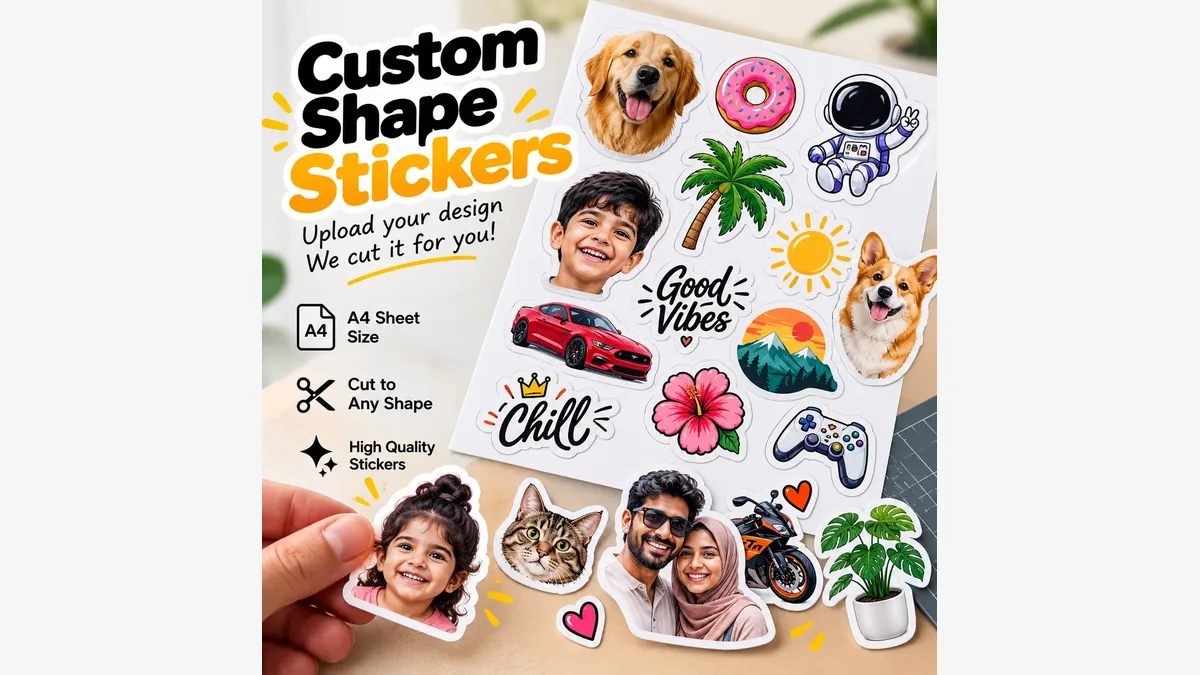
| Opening the laptop at the desk | Lid sticker | Logo, tagline or QR code | Custom shape stickers from ₹79 |
| Handing a parcel across the counter | Badge sticker | Shop name in a line people photograph | Horn OK Please badge sticker at ₹15 |
| Gifting a named tag to a customer | Name keyring | The customer's own name | Parametric name keychain from ₹79 |
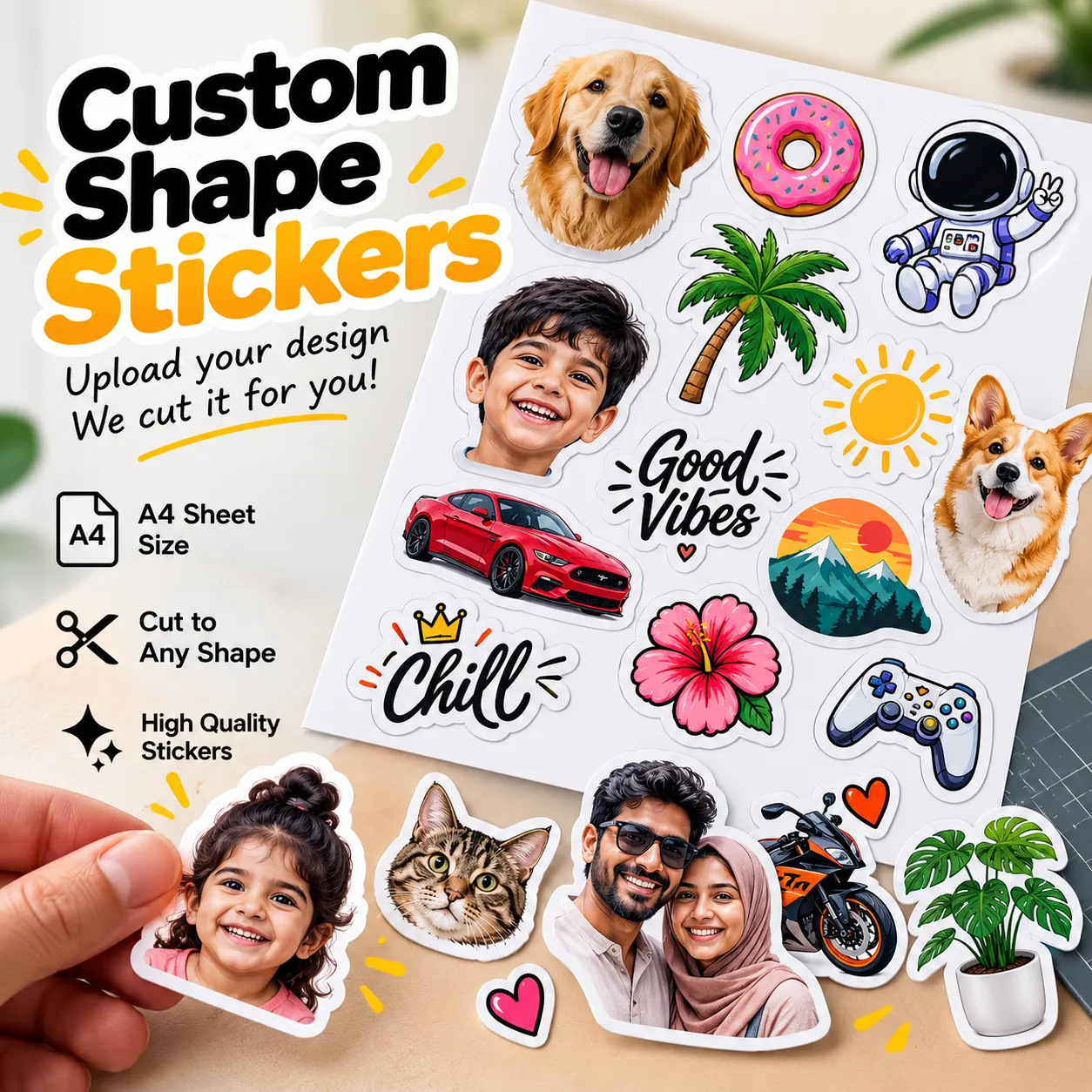 Custom shape stickers laid out as a die-cut sheet for small-business branding
The list is deliberately short. One mark, repeated across the objects a person already handles, beats five different designs scattered across five different surfaces.
Campaign or accessory: where the budget actually goes
| Dimension | One-time campaign | Everyday accessory |
|---|---|---|
| When the customer meets the brand | During the flight, and then not at all | Every time the object is handled |
| What the money buys | Reach inside a fixed window | One unit cost, then repeated exposure at no extra charge |
| What you can measure | Impressions, clicks, first orders | Repeat orders, inbound questions, referrals |
| What happens when spend stops | The brand disappears from view | The object keeps working |
| Starting cost in the Nuho catalogue | Set campaign by campaign | ₹15 to ₹99 for the accessories in this article |
Neither column is wasted. The point of the table is that only one of them keeps running after the invoice is paid.
Retention costs less than acquisition
This is the part that shows up in the numbers rather than in the brand deck. Customer retention refers to the ability of a company or product to retain its customers over some specified period, and it starts with the first contact an organization has with a customer [5]. Research by John Fleming and Jim Asplund indicates that engaged customers generate 1.7 times more revenue than normal customers [5].
Brand loyalty is what that retention looks like once it has settled: brand loyalty refers to a consumer's consistent preference for a particular brand and their commitment to repeatedly purchasing its products despite competing alternatives [3]. It is worth separating that from plain habit, because brand loyalty implies an attitudinal commitment and should be distinguished from habitual purchasing, which may occur without emotional attachment or deliberate preference [3].
For a small business the practical version is unglamorous: the same mark on the objects people already handle, kept identical, reordered before it runs out. If you are starting from packaging rather than product, custom labels for small businesses covers what survives Indian shelves and shipping, and branded corporate gifting with 3D printed keychains covers the version you hand over in person.
How to build a 30-day brand habit with accessories
- Pick the object the customer already touches every day: keys, laptop, bottle, counter, delivery box.
- Put one mark on it: a name, a number, a logo. One mark, because repetition needs the same cue to work.
- Keep the design identical across every object, so the repetition compounds instead of resetting each time.
- Attach the object to a routine that already exists rather than asking for a new one.
- Reorder before you run out, because a gap in the routine resets the repetition you already paid for.
- At the two-month mark, review repeat orders and inbound questions rather than likes.
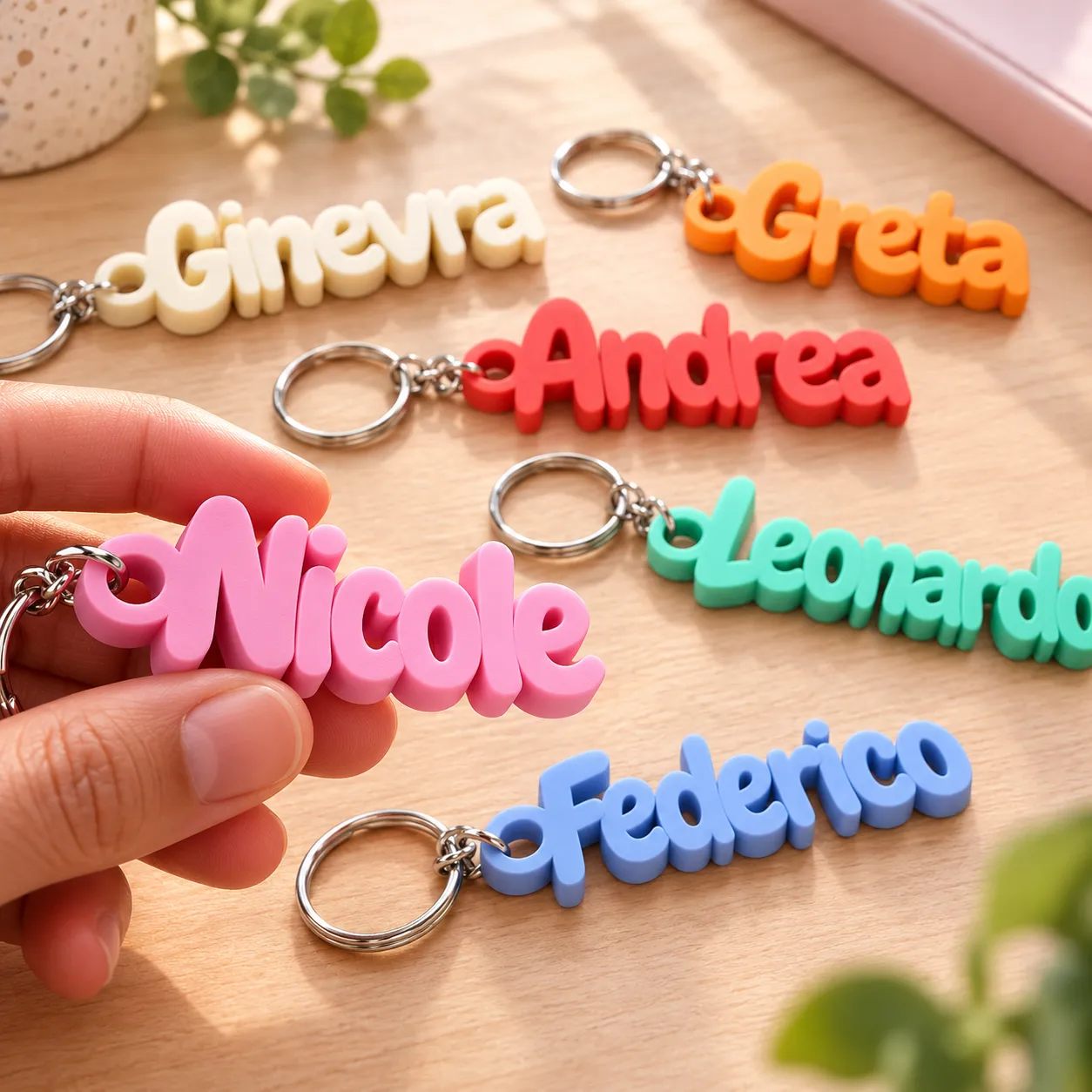 A personalised name keychain resting on a wooden table
Frequently asked questions
Why is retention a product job rather than a marketing job?
Because the repetition has to come from use rather than from spend. Habits form through regular repetition in a consistent context [1], and an accessory is the part of the experience that gets repeated whether or not a campaign is running. Marketing can produce the first trial; the object decides whether the brand is encountered again tomorrow.
How long does it take for an accessory to become part of a routine?
The habit study cited above put the average time to reach automaticity at 66 days, with a wide range around it [1]. Treat two months of uninterrupted daily contact as the working horizon, and keep the object in the same place so the context cue stays stable.
Which accessories work best for a small Indian business?
Start with whatever the customer already handles daily: a number plate keychain for vehicle owners, a custom shape sticker for laptops and bottles, or a badge sticker for the shop counter. All of them are listed with prices above, and every order is manufactured in Coimbatore before it ships.
Will monsoon and daily wear destroy a sticker or a keychain?
That depends on the material and the surface. Nuho prints keychains in PLA+ for everyday use and offers PETG for outdoor and water-resistant parts, and the durability question for stickers in rain, fuel and sunlight is covered in detail in our waterproof stickers guide.
Conclusion and the next step
One-time campaigns are not the enemy. They are simply the part of the job that ends. The part that compounds is the object the customer handles every day, because repetition in a consistent context is what turns a purchase into a habit [1], and repeated exposure to the same mark is what turns an unfamiliar logo into a familiar one [2].
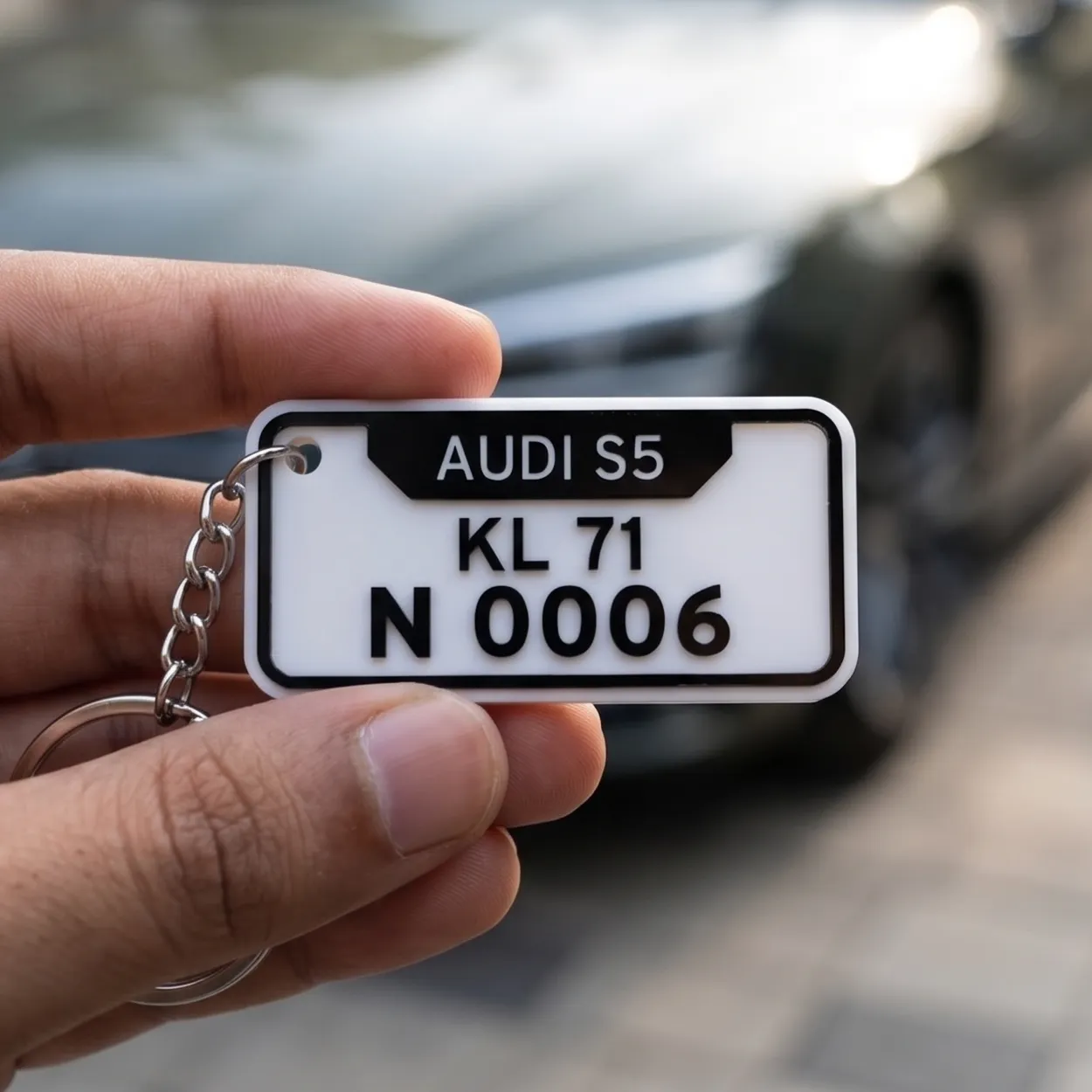
The next step is small and concrete: pick one object your customer already touches daily, put one mark on it, and order a first batch. The custom number plate keychain with category tag covers Private, Rental, EV, Taxi and Commercial vehicles, and the rest of the range is listed in the table above. Standard orders take 24 to 48 hours to manufacture and 2 to 4 business days in transit, shipped pan-India through Delhivery and Bluedart.
Sources
Featured Custom Products
Frequently Asked Questions
More Articles You Might Like

How Technology Helps a Small Business Scale Without Losing Trust
A small business becomes a trusted brand when the knowledge in the owner's head becomes a record the whole team can follow. Digital order logs, UPI at the counter, WhatsApp...
GIVA's $100M Round: What Indian E-Commerce Sellers Can Actually Copy
GIVA raised over USD 100 million from Multiples Alternate Asset Management to widen its store network, manufacturing and inventory, and the round points to where Indian e-commerce...
From Home Kitchen to 41 Stores: Branding Lessons for Small Businesses
Anju Kalhan turned a personal food experiment into Bliss by Anju, a plant-based snack brand that now sells across 41 retail stores in India. The lesson for small Indian businesses...