
How Technology Helps a Small Business Scale Without Losing Trust
Nuho India Team
Nuho Creative Team

Key Takeaways & TL;DR
- Trust that once lived in one person's memory has to become a written record before a second outlet can promise the same service.
- UPI is the largest real-time payment system in the world, and a QR code at the counter takes cash handling out of the daily routine [3].
- ONDC is a Government of India initiative that lets a small seller list on an open network instead of building a storefront alone [5].
- Logo stickers, printed labels and staff keychains are the part of a brand the customer physically touches, and they cost far less than a campaign.
woman, entrepreneur, owner, business, shop, store
How Technology Helps a Small Business Scale Without Losing Trust
A small business becomes a trusted brand when the knowledge in the owner's head becomes a record the whole team can follow. Digital order logs, UPI at the counter, WhatsApp updates and consistent printed branding keep the second outlet promising exactly what the first did.
Key Takeaways
- Trust that once lived in one person's memory has to become a written record before a second outlet can promise the same service.
- UPI is the largest real-time payment system in the world, and a QR code at the counter takes cash handling out of the daily routine [3].
- ONDC is a Government of India initiative that lets a small seller list on an open network instead of building a storefront alone [5].
- Logo stickers, printed labels and staff keychains are the part of a brand the customer physically touches, and they cost far less than a campaign.
What Actually Changes When the Counter Gets Busy?
Ask any regular customer why they keep returning to the same tailor, mechanic or dry cleaner and the answer is rarely about price. It is that the person behind the counter remembers earlier orders and can be counted on to put things right when something goes wrong [1].
That kind of trust usually sits in one person's memory and a few scribbled notes, which is exactly why it is so hard to carry into a second outlet or a larger customer base. Technology gives these businesses a way to write that knowledge down and share it across a whole team [1].
The MSME Digital Index Report 2026 from PayNearby surveyed 10,000 retailers and small businesses, and about 41 percent of them said digital tools had helped them earn more [1]. Most of the businesses surveyed were kirana stores and recharge outlets rather than laundries, so read that percentage as a direction rather than a guarantee for a service business [1].
The practical starting point is the single step that causes the most grumbling: lost items, late deliveries or fuzzy pricing. Put one simple digital record around that step, teach the staff to use it properly, and check the numbers once a week before touching anything else.
The Stack: Five Layers and What Each One Fixes
A small operation does not need software for everything. It needs five layers, and each layer removes one annoyance the customer actually feels.
| Layer | What it fixes | Everyday Indian example | What you need to start |
|---|---|---|---|
| Order records | Promises that depend on memory | A written entry for every order with a promised date and price | Any spreadsheet or billing app you already keep |
| Payments | Cash, change and the deferred payment conversation | A UPI QR at the counter matched to the same order entry | A UPI-enabled bank account or payment app |
| Customer updates | The silence that makes a regular stop calling | One message when the order is ready for pickup | A phone with a business messaging app |
| Discovery | Being invisible beyond the neighbourhood | A complete listing with hours, photographs and directions | A free business listing you update weekly |
| Physical branding | A counter that looks different on every visit | Logo stickers on the parcel, a printed label, a keychain per staff member | A first print run you can afford |
Order records come first because everything else hangs off them. A payment is easier to match to an entry than to a memory, and an update is only credible when someone can see the promised date.
Why UPI Is the Default Payment Layer in India
UPI facilitates inter-bank peer-to-peer and person-to-merchant transactions, and it is described as the largest real-time payment system in the world [3]. The system recorded 241.62 billion transactions in FY 2025-26, so a QR code taped to the counter settles a payment in seconds without change or a trip to the bank [3].
The gain is not only speed, it is the record. When the payment is matched against the order entry, the day's cash position is visible before the shutter comes down, and a dispute becomes a lookup instead of an argument. It also removes the change box from the counter, which is one less thing to reconcile at closing time.
Getting Found Beyond the Neighbourhood
ONDC is a state-owned technology initiative launched by the Department for Promotion of Industry and Internal Trade to foster a decentralized open e-commerce model [5]. In August 2022, SIDBI signed a memorandum of understanding with ONDC to bring small industries on the network [5].
For a small seller, the point of an open network is discovery without the cost of building and advertising a standalone storefront. Getting listed well still demands the boring basics: accurate stock, clear photographs, honest delivery timelines and a reply to every question. None of that requires a developer, and all of it is the same discipline that keeps a walk-in customer coming back.
The Half the Customer Actually Sees
A brand is a name, term, design, symbol or any other feature that distinguishes one seller's goods or service from those of other sellers [4]. The key components that form a brand's toolbox include identity, product design, brand communication such as logos and trademarks, brand awareness and brand loyalty [4].
Those components are physical long before they are digital. The sticker on the parcel, the label on the product and the keychain on the counter are what a customer handles, and they repeat the same impression every time they are picked up. Material choices matter more than artwork does: a guide to custom labels for small businesses in India covers face materials, adhesives and what survives handling, heat and a humid monsoon. For the longer view, why everyday accessories build brands, not one-time campaigns explains why a daily object outlasts a campaign, and from home kitchen to 41 stores shows an Indian business that built its recognition into the pack itself.
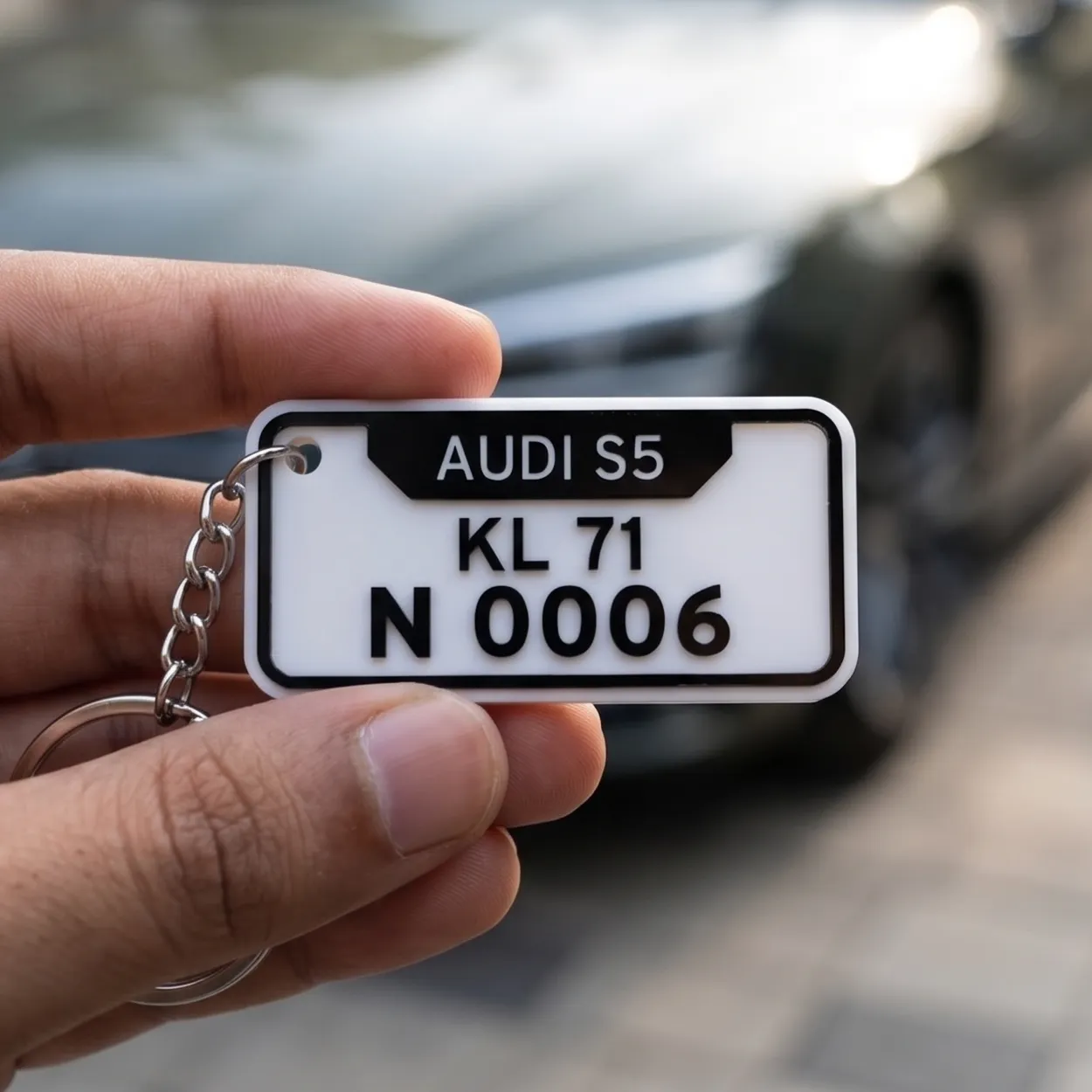
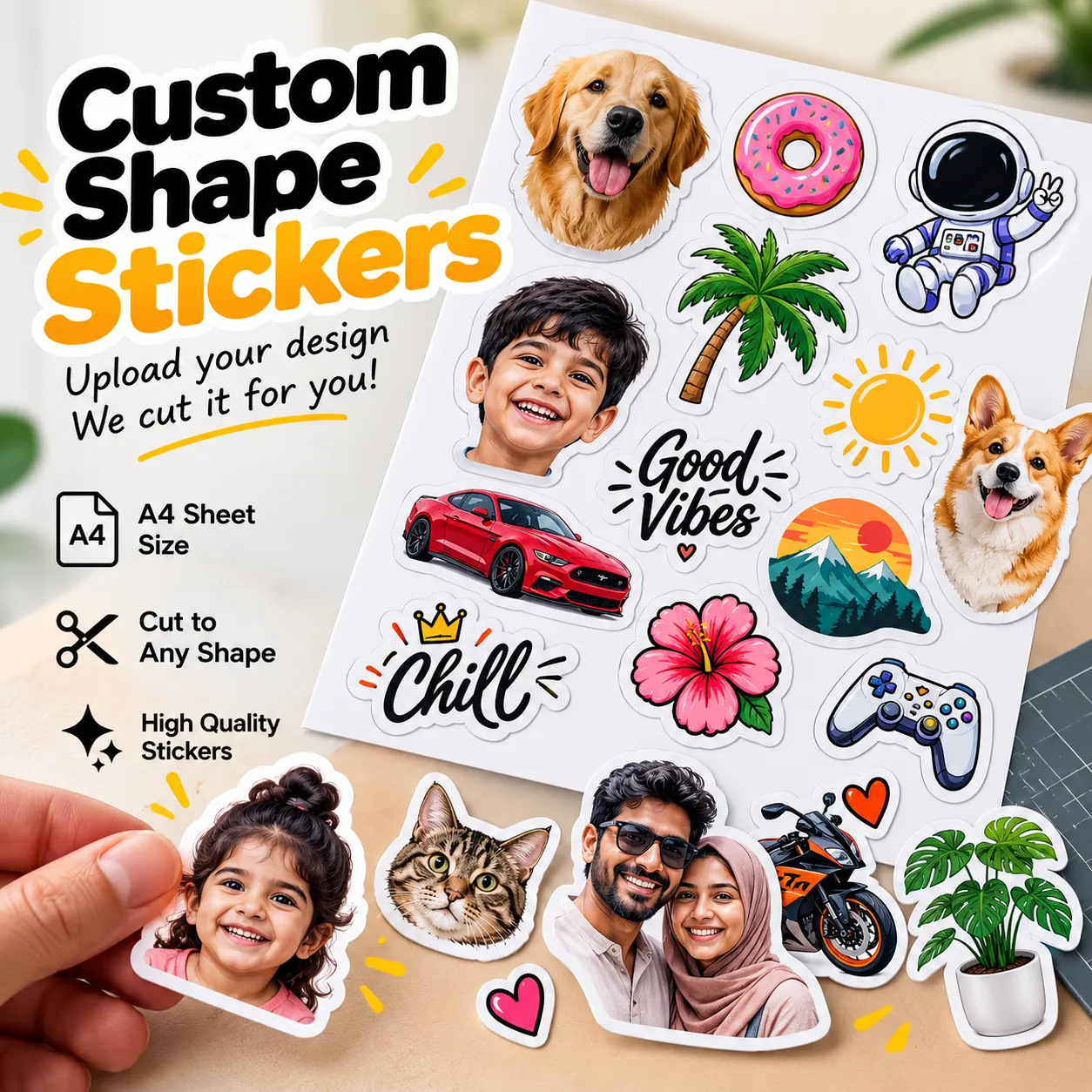
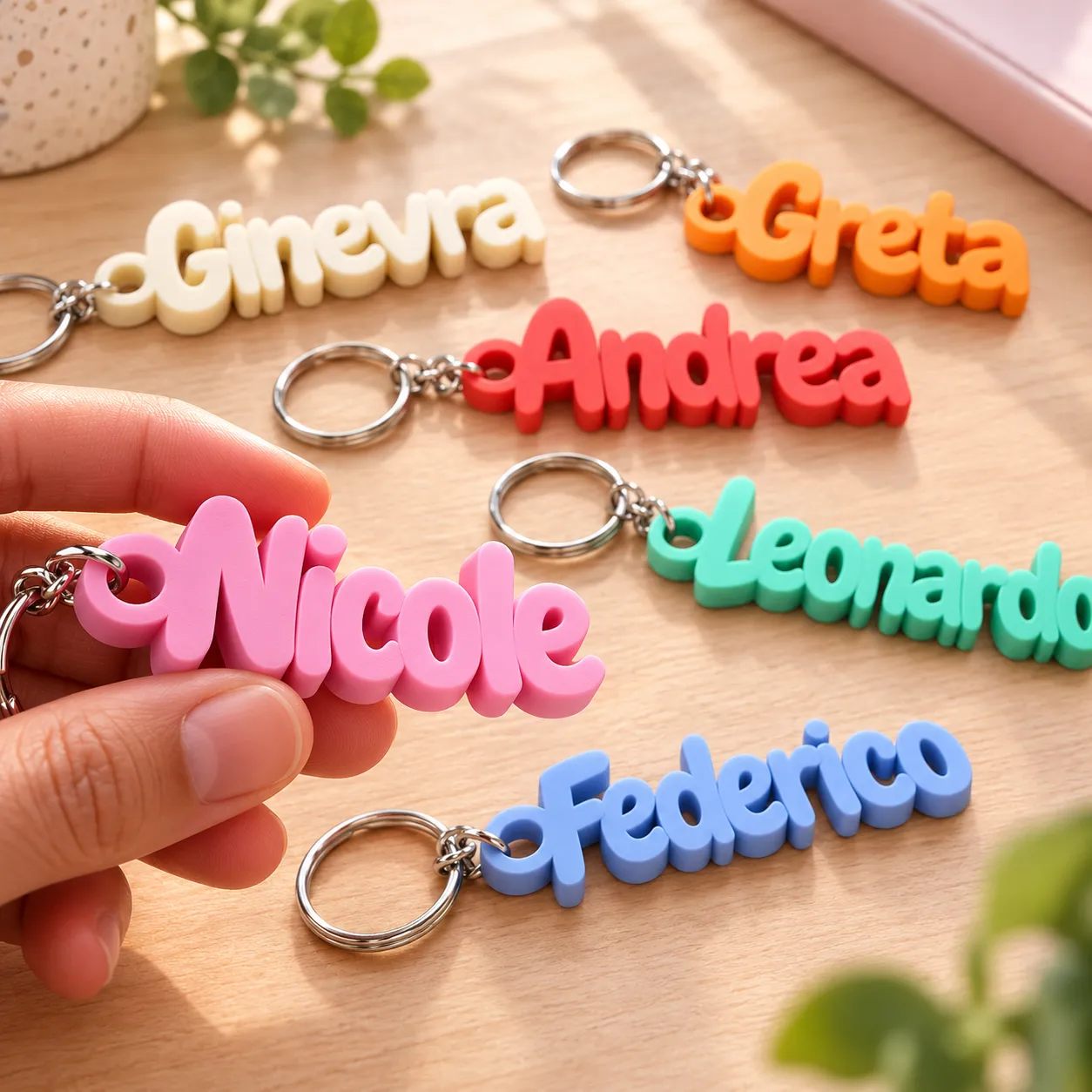
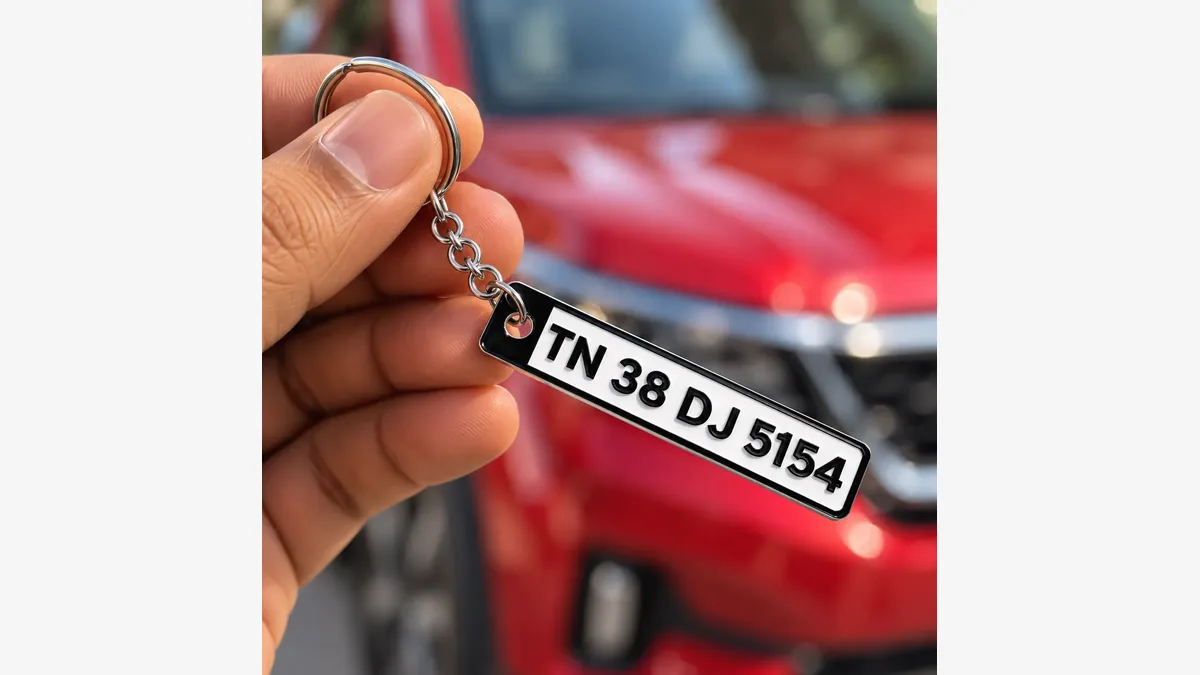
A first run in the Nuho catalogue is small enough to test before you commit: Custom Shape Stickers – Upload Your Design start at ₹79, and a Custom Name Keychain for each staff member also starts at ₹79. If you run a taxi, rental or delivery fleet, the number plate keychain with category tag starts at ₹129 and keeps every key identified with the vehicle it belongs to. Nuho manufactures in Coimbatore and ships pan-India through Delhivery and Bluedart, so a first run ordered from anywhere in the country reaches the counter without a local printer in between.
Consistency Is What You Are Actually Selling
When something does go wrong, the record also shows where, and that makes fixing it a calmer job than trading versions of who said what [1]. Most customers do not mind waiting a day or two; what they cannot stand is silence, so a scheduled update is worth more than another discount.
A small business is an organization that is small in employees or revenue and may or may not have the intention to grow, which means scaling is a decision to design for rather than a default outcome [2]. Designing for it means the second outlet follows the same written steps as the first, down to how the parcel is packed and how the customer is told the order is ready.
Indian conditions add their own test. Heat, dust and the monsoon all reach a printed piece before the customer does, so labels, stickers and keychains have to be chosen for the weather they will actually meet, not for how they look in a photograph.
A 30-Day Plan for One Counter
- Week one: write down every order with its promised date, price and special instruction, and stop relying on memory for anything with a date attached.
- Week two: put a UPI QR at the counter and match every payment to its order entry before closing.
- Week three: send one scheduled update per order, even on days when nothing has changed.
- Week four: order one small branding run of parcel stickers, printed labels and a keychain per staff member so every touchpoint says the same thing.
- Day thirty: read the numbers weekly, comparing promises made with promises kept, payments matched and updates sent.
Frequently Asked Questions
What is the first technology a small business should add? A written record of every order, with the promised date and the price. It costs nothing, it works offline, and every other layer depends on it.
Do I need a website before I accept UPI payments? No. A QR code at the counter works on day one, and a matched payment record matters more to a regular customer than a page nobody visits twice.
How much does a first branding run cost? In the Nuho catalogue a custom shape sticker starts at ₹79 and a custom name keychain starts at ₹79. Standard orders are manufactured in Coimbatore within 24 to 48 hours and shipped pan-India through Delhivery and Bluedart, with 2 to 4 business days in transit.
Will digital records make my service feel less personal? No. They protect the personal part, because the details the owner remembers stay available to whoever is on the floor that day.
Can a one-outlet shop really compete with a chain? A chain can outspend you on advertising, but it cannot copy the fact that you know your regulars. Written steps are what keep that advantage steady when a second outlet opens.
Conclusion: Your Next Step
Technology does not turn a local shop into a brand on its own. It writes down what the owner already knows, keeps every promise visible, and frees the customer from having to guess. Pick the one process that causes the most grumbling, give it a written record this week, and follow it with a small branding run so the counter looks like the promise it is making.
Sources
Featured Custom Products
Frequently Asked Questions
More Articles You Might Like
From Home Kitchen to 41 Stores: Branding Lessons for Small Businesses
Anju Kalhan turned a personal food experiment into Bliss by Anju, a plant-based snack brand that now sells across 41 retail stores in India. The lesson for small Indian businesses...

GIVA's $100M Round: What Indian E-Commerce Sellers Can Actually Copy
GIVA raised over USD 100 million from Multiples Alternate Asset Management to widen its store network, manufacturing and inventory, and the round points to where Indian e-commerce...
Why Everyday Accessories Build Brands, Not One-Time Campaigns
Everyday accessories build brands better than one-time marketing campaigns because they live inside routines the customer already performs: the key on the ignition, the sticker on...