
Retail in India: Formats, Numbers and Where Small Brands Get Seen
Nuho India Team
Nuho Creative Team
Key Takeaways & TL;DR
- India's retail sector is on track to exceed US$ 2,361.11 billion by 2030, up from US$ 1,093.89 billion in 2025.
- Over 1.4 crore kirana stores handle nearly 75-80 per cent of FMCG sales, so the physical shelf still decides most purchases.
- More than 35% of the market is expected to be organised by 2030, which opens more modern-trade doors for small brands.
- The festive quarter is the natural window for a first shelf test, because consumer activity strengthens ahead of the season.
- A first shelf test can be scoped for a few hundred rupees: custom shape stickers are listed at ₹79.
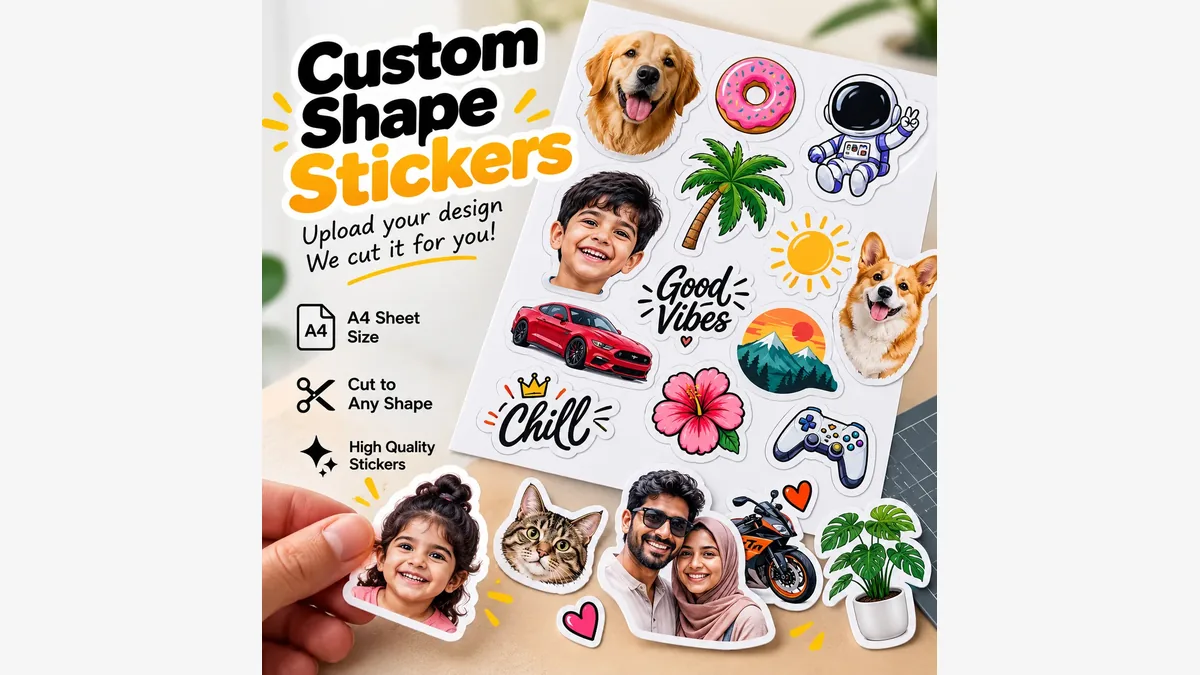
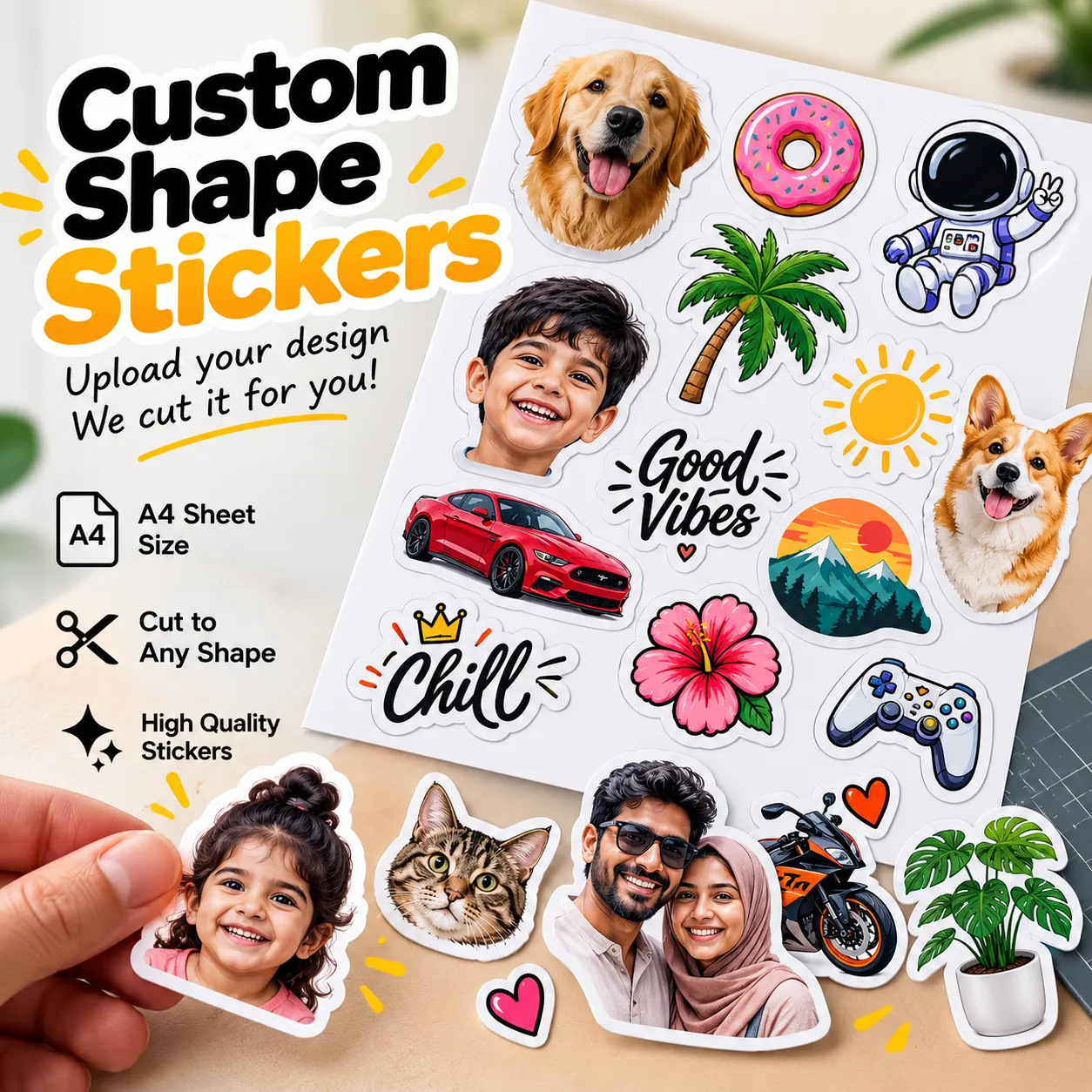
Custom Shape Stickers – Upload Your Design
Retail in India: Formats, Numbers and Where Small Brands Get Seen
Retail is the sale of goods and services to consumers for their own use rather than for resale [1]. India is today the world's second-largest retail market, contributing over 10% of GDP [2]. Most buying still happens through India's General Trade ecosystem of over 1.4 crore kirana stores, which accounts for nearly 75-80 per cent of FMCG sales [3].
Key Takeaways
- India's retail sector is on track to exceed US$ 2,361.11 billion by 2030, up from US$ 1,093.89 billion in 2025.
- Over 1.4 crore kirana stores handle nearly 75-80 per cent of FMCG sales, so the physical shelf still decides most purchases.
- More than 35% of the market is expected to be organised by 2030, which opens more modern-trade doors for small brands.
- The festive quarter is the natural window for a first shelf test, because consumer activity strengthens ahead of the season.
- A first shelf test can be scoped for a few hundred rupees: custom shape stickers are listed at ₹79.
What Selling to Consumers Actually Means
Retail is the sale of goods and services to consumers, in contrast to wholesaling, which is the sale to business or institutional customers [1].
The definition has not changed in 2026. What changed is the number of places a sale can happen, because transactions now happen through a range of channels that includes traditional brick-and-mortar storefronts, brand websites, online marketplaces, social apps and temporary pop-up stalls [4].
E-commerce is one channel inside the trade, the online one, rather than a separate industry, which is why the two words increasingly describe the same companies [4].
For a small Indian business the practical reading is simple. The same product can sit in a neighbourhood store, a mall counter, a marketplace listing and a WhatsApp catalogue without new artwork, but the touchpoint gets smaller at every step, so the brand mark has to survive being read in two seconds from arm's length.
The Indian Market in Numbers
The trade contributes over 10% to the country's GDP and around 8% of employment [2].
India's retail sector is on track to exceed US$ 2,361.11 billion by 2030 from US$ 1,093.89 billion in 2025, with organised retail expected to capture more than 35% of the total market [2].
Physical expansion is at a record. Leasing reached over 4 million square feet in Q4 2025, driving total leasing to a record 8.9 million square feet in 2025 across the top seven cities [2].
Growth is not only a metro story. India's fastest consumer growth is coming from Tier-II and Tier-III cities, which are adding nearly 100 million new consumers to branded and organised shops by 2030 [2].
Private labels matter to a small brand too, because 52% of Indian consumers are opting for private label products in 2025, with 70% acknowledging that these brands are increasingly offering better quality products [2].
Seasonality still sets the calendar, and India's retail sales grew 10% in August 2026 as consumer activity strengthens ahead of the festive season [2].
The figures worth keeping on one screen are below.
| Metric | Figure | Why a small brand should care |
|---|---|---|
| Market size in 2025 | US$ 1,093.89 billion | Room for new entrants at every price point |
| Market size projected for 2030 | US$ 2,361.11 billion | Growth ahead of most mature markets |
| Organised share by 2030 | More than 35% | More modern-trade openings, stricter display rules |
| General Trade share of FMCG sales | Nearly 75-80 per cent | Everyday buying still happens in kirana stores |
| Kirana store count | Over 1.4 crore | Reach at the shelf compounds faster than reach on the feed |
| Sales growth in August 2026 | 10% | Useful for planning print runs and stock dates |
Where Indian Shoppers Actually Buy
India's General Trade ecosystem includes over 1.4 crore kirana stores and accounts for nearly 75-80 per cent of FMCG sales [3].
Organised retail is expected to capture more than 35% of the total market by 2030 [2].
Four formats matter to a small Indian brand, and each one asks for a different touchpoint.
| Format | Scale in India | What the shopper notices first | Low-cost touchpoint |
|---|---|---|---|
| General trade: kirana and neighbourhood stores | Over 1.4 crore stores, nearly 75-80 per cent of FMCG sales | Shelf-edge label and pack seal in a crowded rack | Die-cut stickers from ₹15, custom shape stickers at ₹79 |
| Modern trade: supermarkets, malls and convenience stores | Organised share on track for more than 35% of the market by 2030 | End-cap display and shelf talker | Custom shape stickers printed to your own artwork |
| Marketplaces and quick commerce | Online sales projected at US$ 260 billion by 2030 | Product thumbnail and unboxing | Branded seals that survive transit |
| D2C website and social storefronts | 2.5 billion direct-to-consumer shipments projected by 2030 | Packing slip and the box itself | Name keychains and stickers used as a repeat insert |
Scale figures in the table are drawn from the sources cited above.
What EBG Group's Leadership Changes Signal for Small Brands
Hyderabad-headquartered EBG Group, which has interests across electric mobility, consumer appliances, wellness, lifestyle, food and beverages and technology, has strengthened its executive leadership with two senior appointments and an internal promotion [5].
Rakesh Kumar Sharma takes over as Group Chief Operating Officer, bringing over 25 years of experience across retail, consumer businesses, omnichannel operations and large-scale business management [5].
The read-across for a small brand is direct. Consumer groups are hiring operators who have run large store networks, fulfilment infrastructure and distribution operations, which puts shelf execution and customer experience in the hands of senior leadership rather than treating them as shop-floor details.
Hyderabad is also where ONDC's DigiDukaan gained early traction, with more than 10,000 shopkeepers and over 35 brands onboarded there [3]. DigiDukaan has since connected over 21,000 shopkeepers with more than 450 brands across Hyderabad, Jaipur and Mumbai as of September 2026 [6]. In Hyderabad, more than 16,000 shopkeepers have been onboarded, with monthly repeat ordering rates of 73-78% [6].
What This Means for a Small Brand Selling Custom Products
Most of the formats above reward the same thing: a product that reads as deliberate at arm's length. That is a design problem before it is a budget problem.
- Shelf and packaging work is covered by Custom Labels for Small Businesses in India for label durability, and Custom Shape Label Stickers for Products and Packaging for artwork, bleed and cut lines.
- Monsoon planning belongs to Waterproof Stickers in India: What Survives Rain, Fuel and Sunlight, which explains what to check before printing anything that sits near an open shopfront or on a vehicle.
- The online shelf is covered by GIVA's $100M Round: What Indian E-Commerce Sellers Can Actually Copy, on how a funded Indian brand differs from a small seller.
Three catalogue products cover the three touchpoints that come up most often.
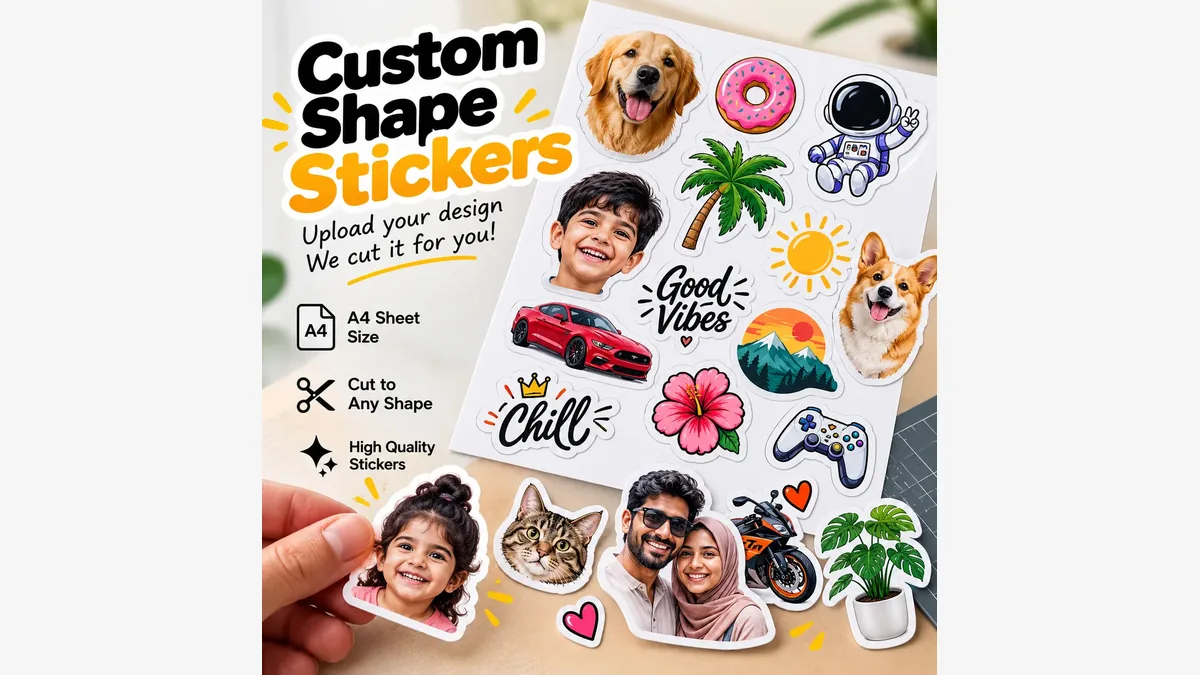
- Custom Shape Stickers – Upload Your Design are listed at ₹79 for artwork you supply, which suits shelf-edge labels and pack seals.
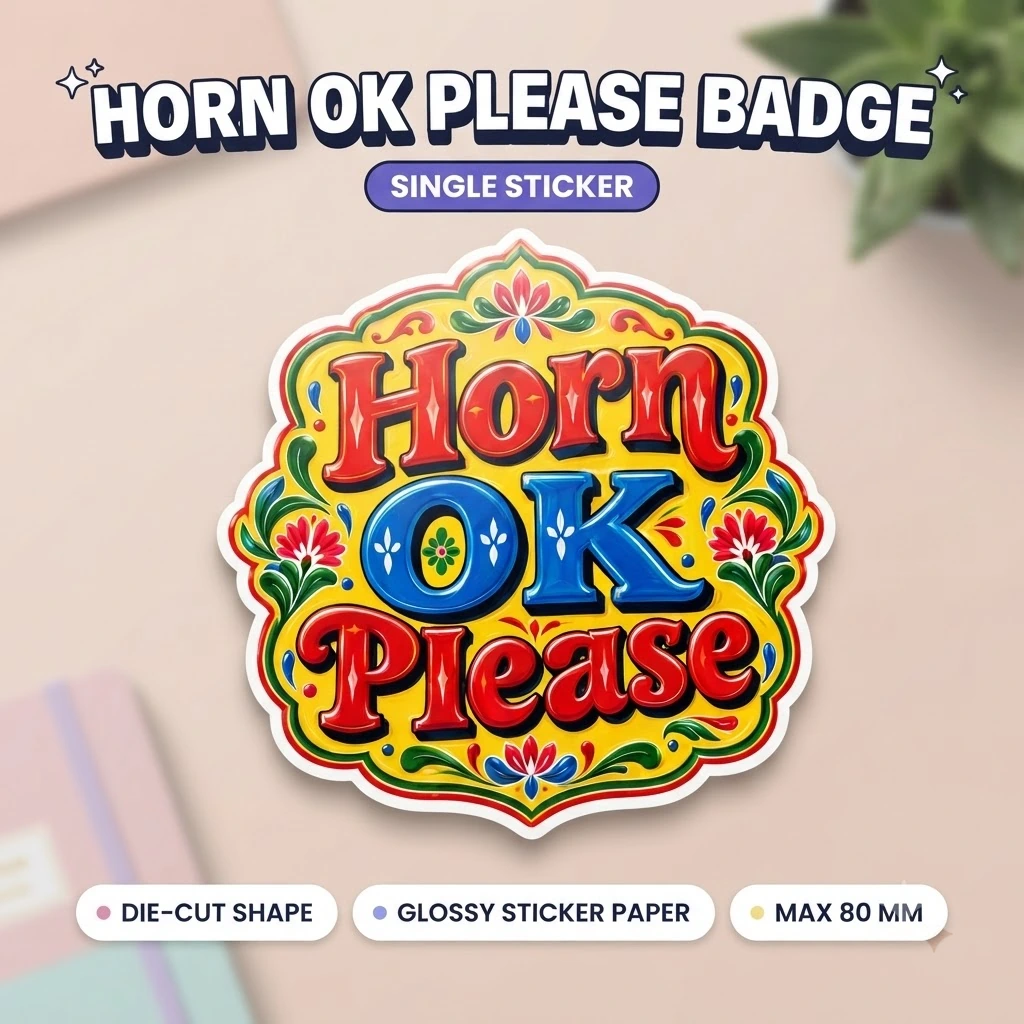
- Horn OK Please Badge Sticker - Glossy Die-Cut (Max 80mm) costs ₹15, which makes it a realistic counter add-on at the billing desk.
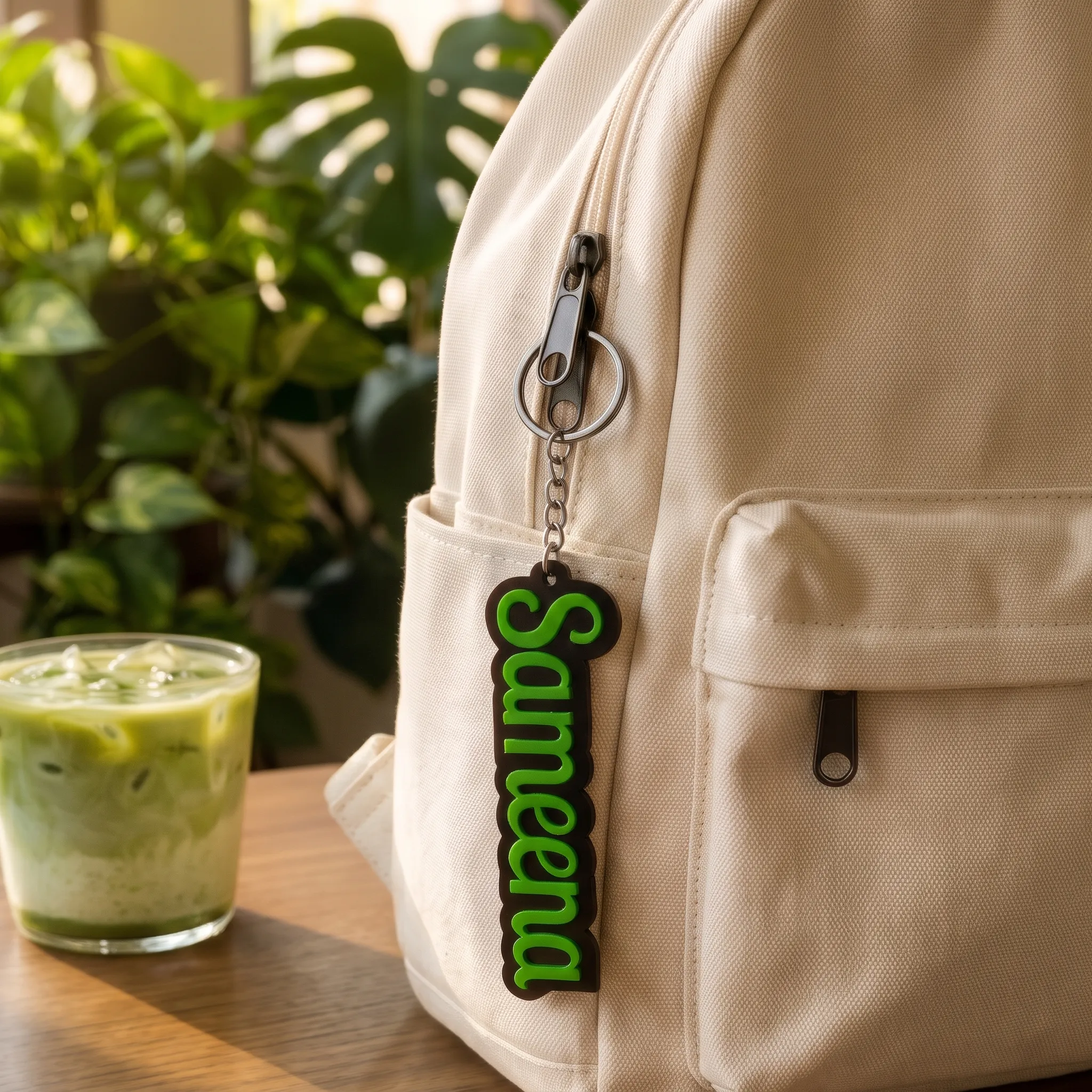
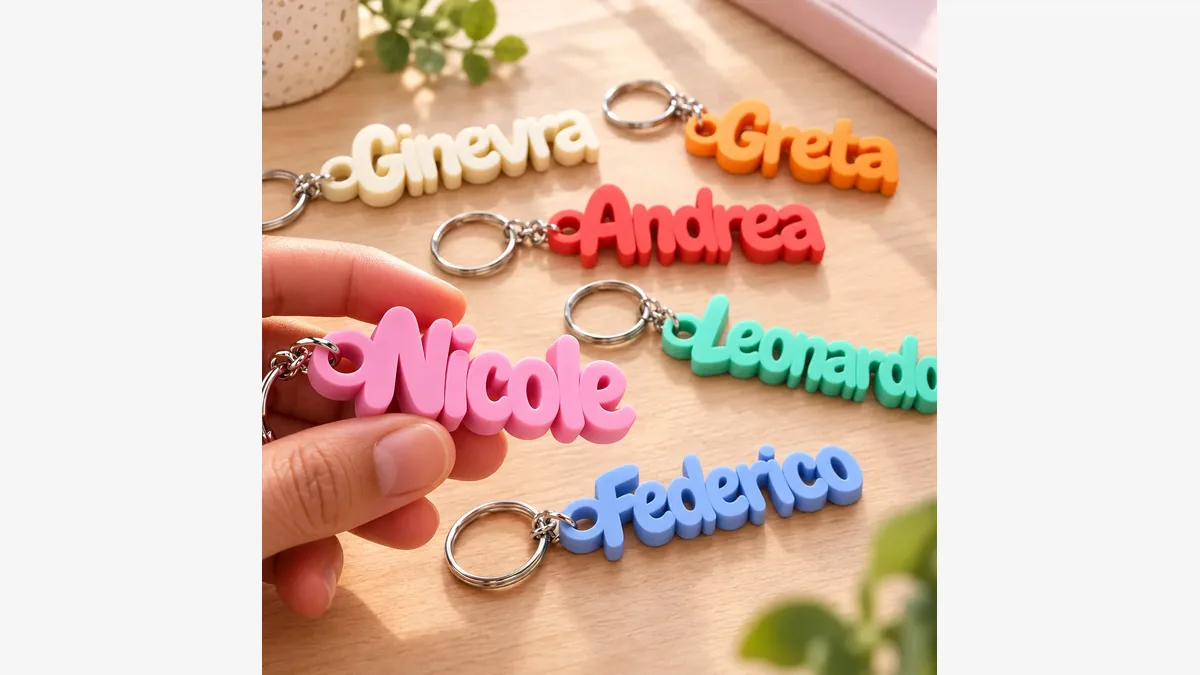
- Custom Name Keychain – Personalized 3D Printed Name is listed at ₹129, which fits gift-with-purchase campaigns during the festive quarter.
How to Test Shelf Presence Without a Big Budget
- Choose one format from the table above. A kirana shelf test and a marketplace test measure different things, so running both at once tells you nothing.
- Match the touchpoint to the surface. Shelf-edge and pack-seal work needs a die-cut shape, while a packing slip needs something small enough not to disturb the box.
- Budget in rupees. Custom shape stickers at ₹79, single glossy die-cut stickers at ₹15 and a personalised name keychain at ₹129 keep a first test inside a few hundred rupees.
- Plan around the season. Consumer activity strengthens ahead of the festive season, so a test started in August gets read by shoppers who are already buying.
- Keep the monsoon in mind. Anything that sits near an open shopfront or on a vehicle should be checked against the rain, fuel and sunlight guidance in the waterproof stickers article linked above.
Frequently Asked Questions
What is retail in simple terms?
It is the sale of goods and services to consumers for their own use, in contrast to wholesaling, which sells to businesses that intend to resell what they buy.
How big is India's retail market?
India's market was valued at US$ 1,093.89 billion in 2025 and is on track to exceed US$ 2,361.11 billion by 2030, with organised formats expected to capture more than 35% of the total market.
Is e-commerce separate from retail?
No. E-commerce is one channel inside the trade rather than a separate industry, so marketplace and quick-commerce orders still count as sales to a consumer.
Why do kirana stores still matter for a small brand?
India's General Trade ecosystem comprises over 1.4 crore kirana stores and accounts for nearly 75-80 per cent of FMCG sales, so most shoppers meet a new brand on a physical shelf before they meet it online.
When is the natural window for a shelf test?
Consumer activity strengthens ahead of the festive season, which makes the run-up to the festive quarter the right window for a first test.
What does a first retail test cost in India?
Custom shape stickers are listed at ₹79, a single glossy die-cut sticker at ₹15 and a personalised 3D printed name keychain at ₹129 on Nuho India, so a first test can be scoped for a few hundred rupees.
Conclusion
Retail in India is still decided at the shelf far more often than on the feed, and two numbers say the same thing: over 1.4 crore kirana stores handling nearly 75-80 per cent of FMCG sales, and organised formats on track for more than 35% of the market by 2030. The brands that win that shelf are the ones a shopper can read instantly.
Your next step: pick one format from the table above and order one custom shape sticker run from Nuho India this week.
Sources
Featured Custom Products
Frequently Asked Questions
More Articles You Might Like

GIVA's $100M Round: What Indian E-Commerce Sellers Can Actually Copy
GIVA raised over USD 100 million from Multiples Alternate Asset Management to widen its store network, manufacturing and inventory, and the round points to where Indian e-commerce...
Raksha Bandhan Gift Ideas: Personalised Keychains and Stickers
The best Raksha Bandhan gift ideas are the ones your sibling still uses in September: a personalised name keychain for their keys or bag, plus matching die-cut stickers for their...
10 Etsy Alternatives for Online Sellers in India (2026)
The ten Etsy alternatives fall into two groups, own-store builders such as Shopify, Squarespace, Wix, Big Cartel, Ecwid and WooCommerce that charge a monthly plan instead of a...