
Diwali Gifting Without the Guesswork: Let Them Pick, You Set the Cap
Nuho India Team
Nuho Creative Team
Key Takeaways & TL;DR
- Festive gifting in India is a guessing game: unwanted presents get re-gifted and wishlists still carry price tags, which is why a price-hidden picking link is worth building yourself [1].
- A Rukam Capital–YouGov study of 4,002 respondents aged 18–29 across 18 states found 74% buy gifts for parents and family, while around three in ten self-gift [2].
- A Hansa Research festive-season study reported that fashion and apparel lead planned festive purchases at 69%, followed by home décor and furniture at 51% and electronics and gadgets at 50% [3].
- Diwali 2026 sits in the second week of November: Dhanteras on 6 November, Lakshmi Puja on 8 November and Bhai Dooj on 10 November [4].
gift, parcel, surprise, ribbon, christmas, christmas party
Diwali Gifting Without the Guesswork: Let Them Pick, You Set the Cap
Diwali gifting stops being a guessing game when the recipient does the choosing: agree a budget cap, share a shortlist where prices stay hidden, then approve the final pick, pay, and add a personal note. It is the mehmaan mode idea applied to presents instead of menus, and it fits a festival where mithai and gifts are shared.
Key takeaways
- Festive gifting in India is a guessing game: unwanted presents get re-gifted and wishlists still carry price tags, which is why a price-hidden picking link is worth building yourself [1].
- A Rukam Capital–YouGov study of 4,002 respondents aged 18–29 across 18 states found 74% buy gifts for parents and family, while around three in ten self-gift [2].
- A Hansa Research festive-season study reported that fashion and apparel lead planned festive purchases at 69%, followed by home décor and furniture at 51% and electronics and gadgets at 50% [3].
- Diwali 2026 sits in the second week of November: Dhanteras on 6 November, Lakshmi Puja on 8 November and Bhai Dooj on 10 November [4].
What the mehmaan mode idea actually asks for
A Times of India column opens on a familiar scene: festive gifting is a guessing game, you buy your cousin yet another set of uninspired copper tealight holders, and it joins the perpetually re-gifted soan papdi at the back of the pantry [1].
The column borrows a food delivery app's mehmaan mode, which lets guests browse eatery menus without seeing the prices on the host's phone, and applies the same rule to presents: generate a link, let the recipient browse without seeing the prices, set a spending limit upfront, approve the final pick and pay, then add gift-wrapping and a personal note [1].
Wishlists still come with price tags, and a gift card feels like cash wearing a bow, so a cap-first link keeps the choice with the person receiving the gift without turning the present into a number [1].
What Indian shoppers are actually buying in 2026
Diwali gifting in 2026 is moving beyond the traditional mithai box, and the categories with the most planned purchases are fashion and apparel, home décor, electronics and gourmet hampers [3].
A Hansa Research festive-season study reported that fashion and apparel lead planned festive purchases at 69%, followed by home décor and furniture at 51%, and electronics and gadgets at 50%. These figures reflect planned shopping categories, not Diwali gift sales alone [3].
The generation doing most of its shopping online is also rewriting the rules. A Rukam Capital–YouGov study of 4,002 respondents aged 18–29 across 18 states found that as much as 60% of the respondents spent more during festivals, 74% buy gifts for parents and family, and around three in ten self-gift [2]. One in four tapped AI for gift ideas and 41% used online search [2].
Price data from the same reporting gives a usable anchor: at online gifting and retail platform IGP, founder and CEO Tarun Joshi found younger customers select personalised mugs, tumblers and photo or designer cakes, with average order value of Rs 1,000–1,200 [2]. Traditional categories have not gone anywhere either — the Rukam survey also noted that 44% choose food, sweets and dry fruits while 39% choose cash [2].
A budget ladder for the list you actually have
The bands below are not aspirations. Catalogue prices are what Nuho lists today, and the middle band is anchored to the average order value Indian shoppers actually place for personalised gifts [2].
| Per-gift band (INR) | What it buys | Best suited to |
|---|---|---|
| ₹15 | One glossy die-cut sticker from the catalogue, such as the Gulab Jamun Duo | Envelope stuffers, kids' return gifts, colleagues in bulk |
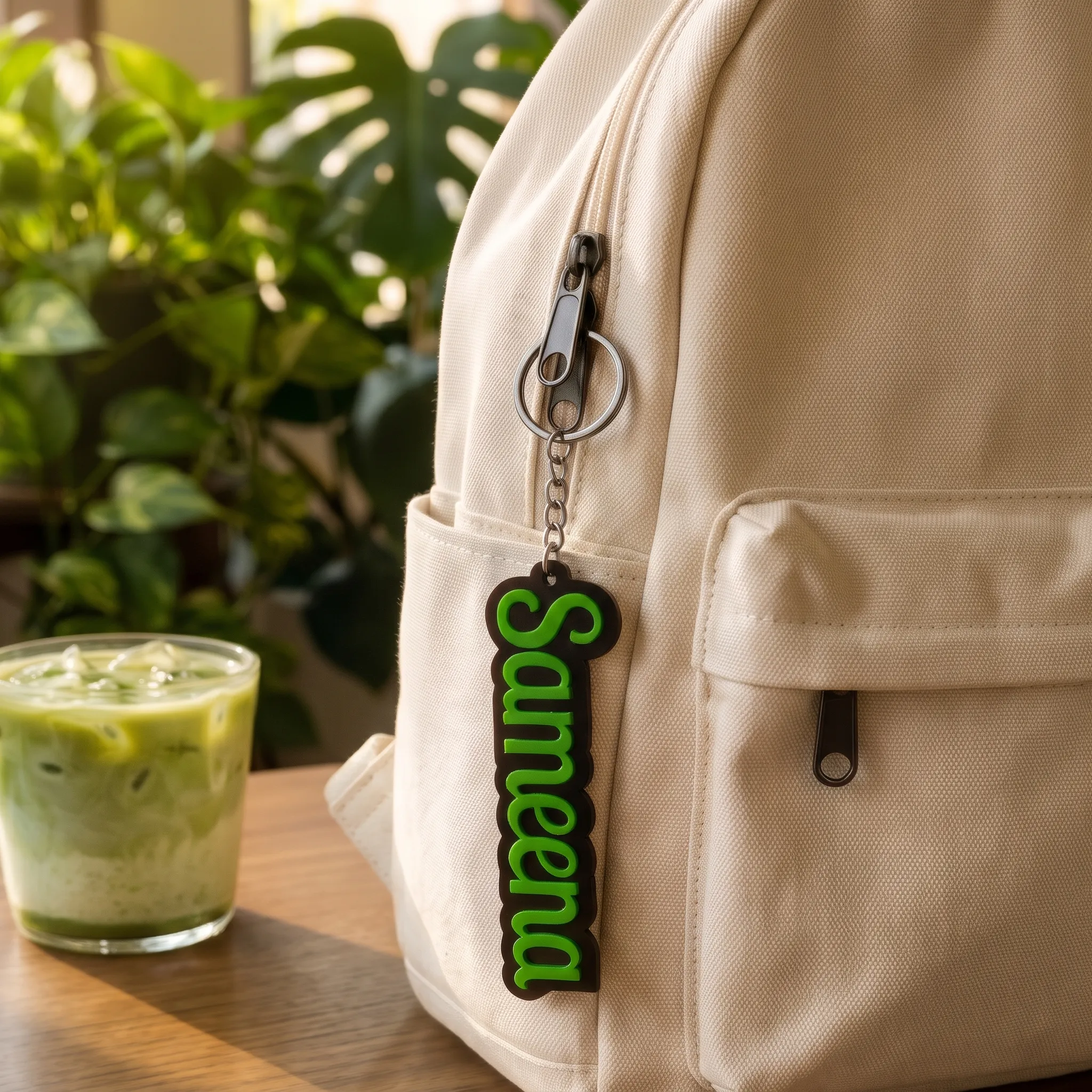
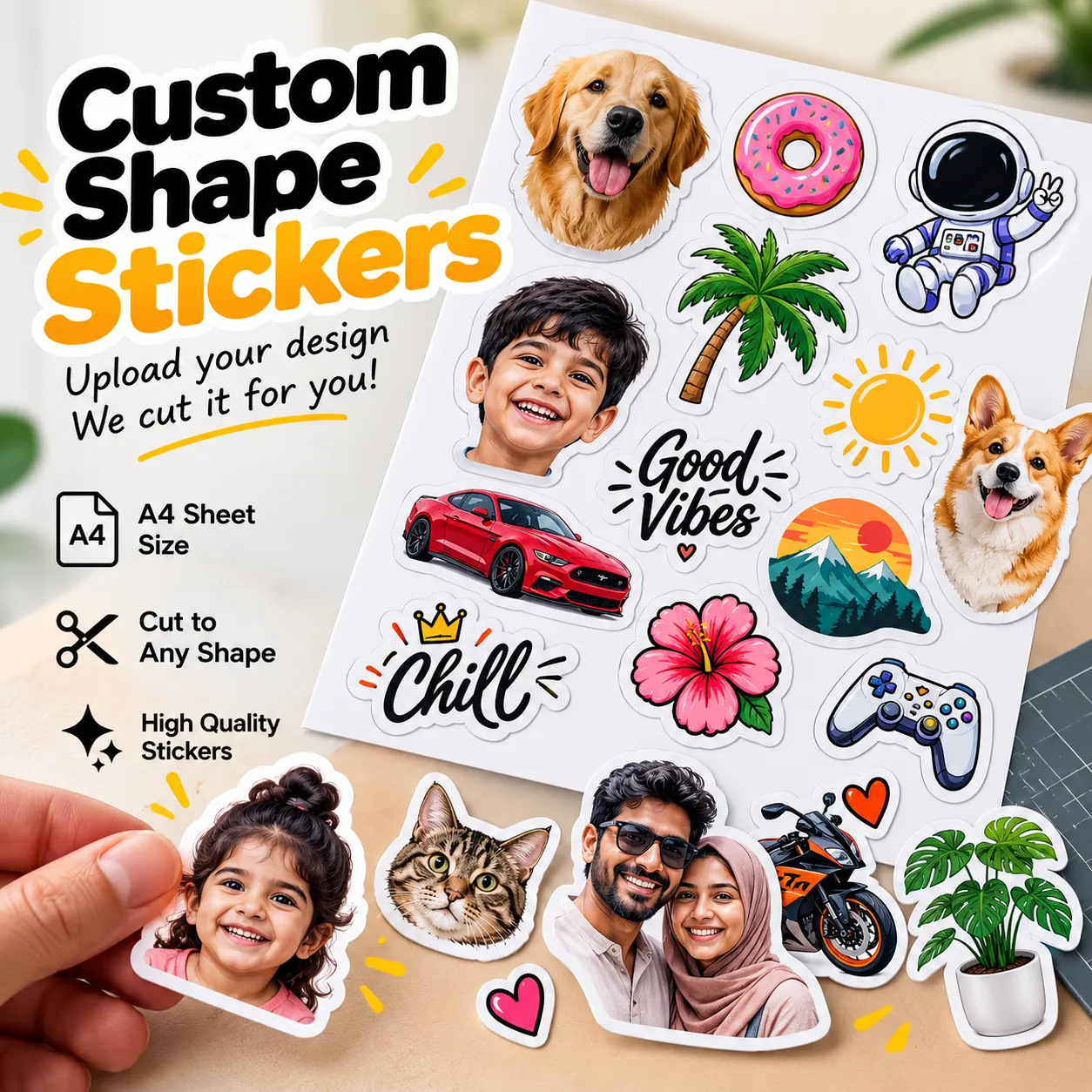
| ₹79 | A custom shape sticker with your own artwork, or a parametric name keychain | Long lists where every person still deserves something named |
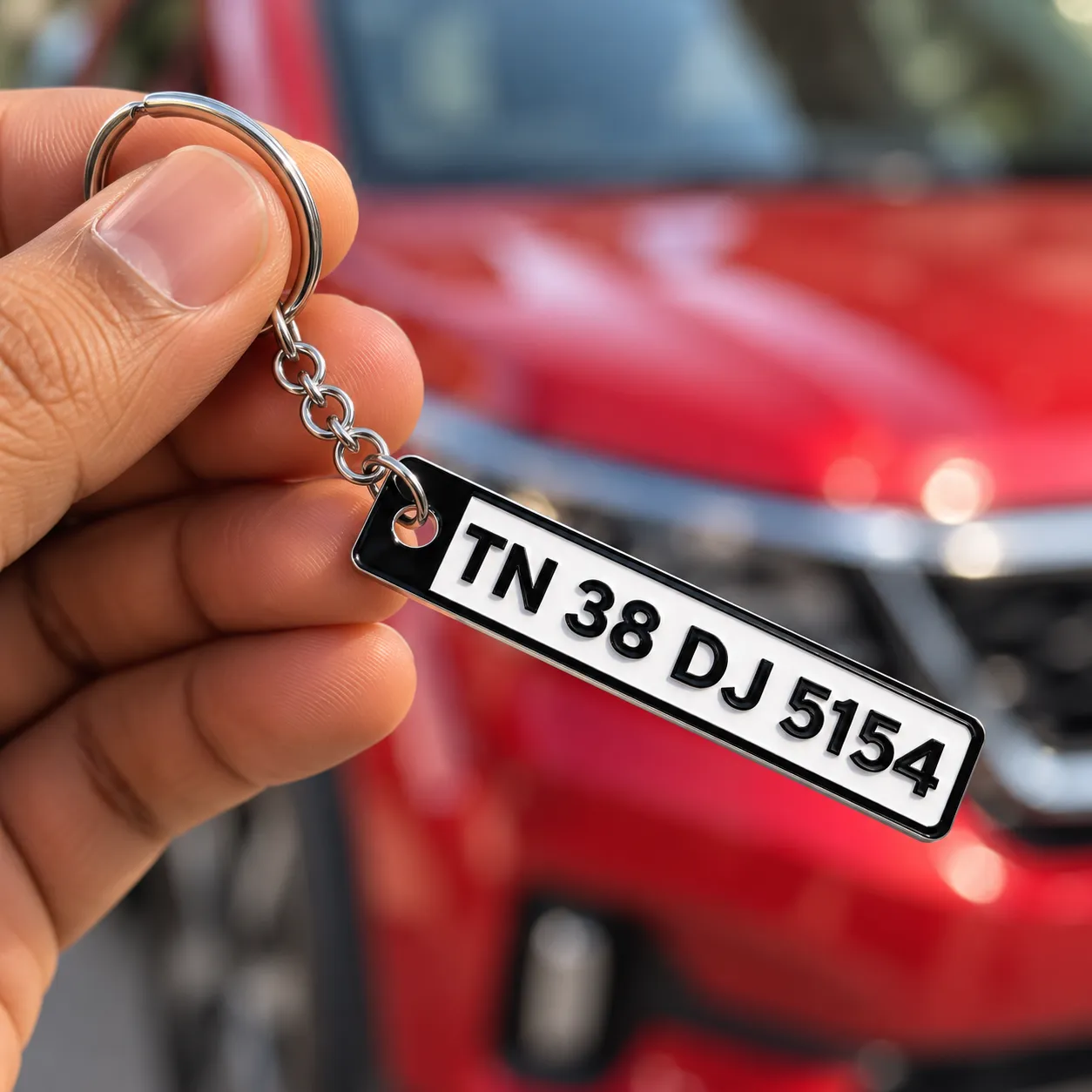
| ₹99–₹129 | Mini car number plate keychain at ₹99, personalised 3D printed name keychain at ₹129 | Close family, drivers, a friend who just bought a car |
| Around ₹500 | The ceiling of our under ₹500 gift roundup | One proper present for one person |
| ₹1,000–₹1,200 | The average order value reported for younger shoppers buying personalised mugs, tumblers and cakes [2] | The market-standard single gift budget |
Above that band you are buying hampers, electronics and experiences, which is exactly where letting the recipient choose saves you from a wrong guess.
The Diwali 2026 calendar and what it means for delivery
The festival dates are fixed, and so is every shipping deadline attached to them.
| Date (November 2026) | Occasion | What it means for a gift |
|---|---|---|
| 6 | Dhanteras | Purchases and corporate tokens begin; the first gifting wave leaves warehouses |
| 7 | Chhoti Diwali | A day for visiting friends, business associates and relatives and exchanging gifts |
| 8 | Lakshmi Puja | The main day of Diwali — this is the date most gifts are meant to land on |
| 9 | Govardhan Puja | Family visits continue, second-round gifts travel |
| 10 | Bhai Dooj | The practical last date for the festival itself, and a common corporate deadline |
The sequence above, from Dhanteras through Bhai Dooj in November 2026, comes from the published Diwali calendar [4].
On the Nuho side, standard orders take 24 to 48 hours to manufacture and 2 to 4 business days in transit, shipped pan-India through Delhivery and Bluedart to serviceable pincodes across India, with tracking on the order track page. Count both windows back from the day you want the gift in hand: an order placed in the final week before Lakshmi Puja may not reach every pincode in time, so plan Bhai Dooj, the wedding season that follows, or the year-end list rather than gambling on the festival morning.
When the list is long: the keepsake lane
A price-hidden link solves the ten people you know well. It does nothing for the forty people you buy for out of habit, and that is where small named objects do the work. Custom shape stickers start at ₹79 with your own artwork, the parametric name keychain starts at ₹79, the mini number plate keychain lists at ₹99, and a personalised 3D printed name keychain lists at ₹129 — named objects that stay on a key ring long after the soan papdi is finished.
Before you order in volume, the custom sticker cost guide explains what actually moves the price, and the personalised keychains guide covers materials, prices and timelines. If the gift is travelling through humidity rather than a wedding hall, our vinyl versus paper comparison is the short answer on what survives Indian weather.
Frequently asked questions
Can I really hide the price when my family picks their own Diwali gift?
Not with a built-in shopping feature. The price-hidden gift link is a proposal written in the Times of India column, not a checkout option you can switch on today [1]. What works now is cruder but effective: agree the cap first, send three shortlisted options as links or screenshots, then approve the final pick and pay for it yourself [1].
How much should I spend on a single Diwali gift?
Use the market anchor rather than a rule of thumb. The average order value for younger shoppers buying personalised mugs, tumblers and cakes is Rs 1,000–1,200 [2], while planned festive purchases concentrate in fashion and apparel at 69%, home décor and furniture at 51% and electronics and gadgets at 50% [3]. For a long list of forty people, drop to the ₹15–₹129 catalogue bands and keep the ₹1,000–₹1,200 band for the three or four people closest to you.
Will a personalised gift reach me before Lakshmi Puja?
Standard manufacturing takes 24 to 48 hours and transit takes 2 to 4 business days, so order with both windows counted back from the date. Lakshmi Puja falls on 8 November 2026, with Bhai Dooj on 10 November as the festival's practical last date [4].
Are stickers and 3D printed keychains safe to ship across India at this time of year?
Nuho manufactures in Coimbatore and ships pan-India through Delhivery and Bluedart to serviceable pincodes, with tracking at every step. PLA+ is the listed material for keychains and decorative items, and sticker durability depends more on the stock you choose than on the season, which is what our vinyl versus paper comparison sets out.
What do I give someone who already has everything?
Let them choose. The column's argument is that not every present has to be a test of how well you know someone's taste [1], and a keepsake with their name on it is the fallback when the shortlist stays empty.
Conclusion and next step
The guessing game has a workaround. Agree the cap first, send a price-hidden shortlist, approve and pay yourself, and keep a ₹15–₹129 named keepsake lane for everyone else — a plan that fits the ₹1,000–₹1,200 average order value Indians are placing for personalised gifts [2] and a calendar that runs from Dhanteras on 6 November to Bhai Dooj on 10 November [4].
Next step: pick your cap for one person today, send them three catalogue links without prices, and place the keepsake order for the rest of the list in the same sitting.
Sources
Featured Custom Products
Frequently Asked Questions
More Articles You Might Like
Diwali Gifts for Employees in India: Budgets, Rules and Ideas (2026)
Diwali employee gifting in India now works at three levels: the SUVs and flats that make headlines, the ₹1,000–₹1,500 gift boxes that clock the highest volumes, and small...

How Technology Helps a Small Business Scale Without Losing Trust
A small business becomes a trusted brand when the knowledge in the owner's head becomes a record the whole team can follow. Digital order logs, UPI at the counter, WhatsApp...
GIVA's $100M Round: What Indian E-Commerce Sellers Can Actually Copy
GIVA raised over USD 100 million from Multiples Alternate Asset Management to widen its store network, manufacturing and inventory, and the round points to where Indian e-commerce...